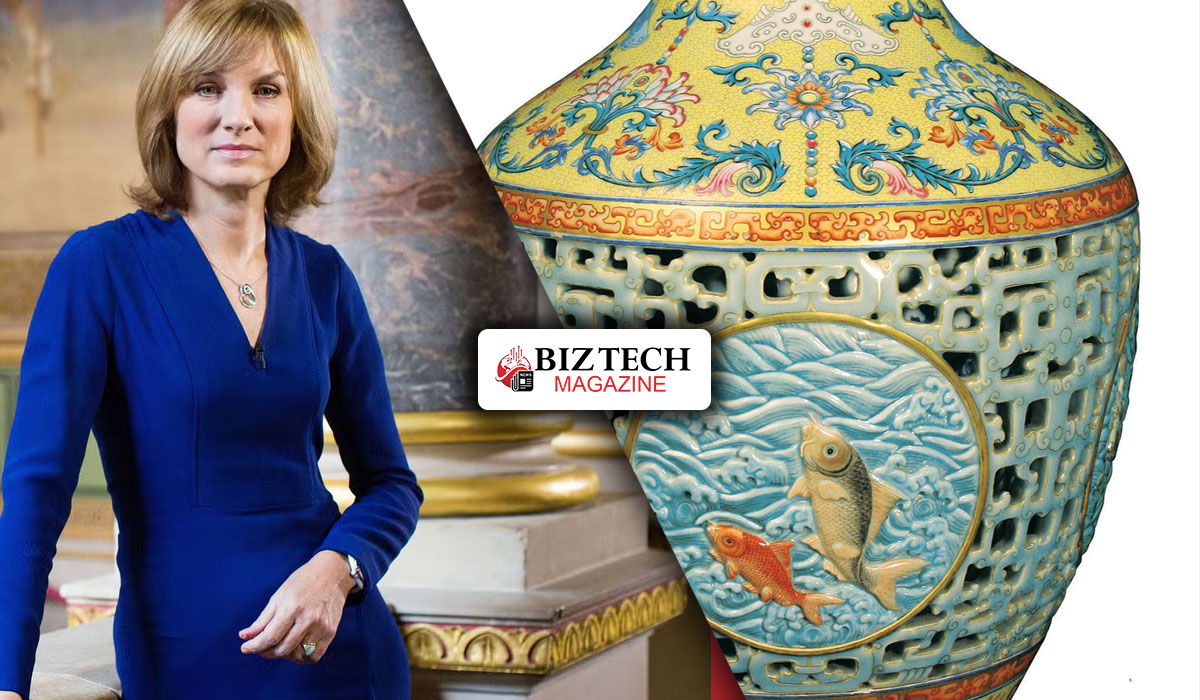
The story of the antiques roadshow vase 53 million pound sale is one of the most remarkable events in art history. Discovered during a house clearance in Pinner, the 18th-century Qianlong-era Chinese vase was initially dismissed by experts decades earlier on the BBC programme Going for a Song. However, in 2010, the 16-inch “famille rose” masterpiece was re-authenticated as an Imperial treasure from the Qing Dynasty.
Sold at Bainbridges Auction House, the piece sparked a global bidding war, reaching a record-breaking valuation. This article explores the vase’s journey from a dusty North London attic to its 1860 origins at the Old Summer Palace, including the eventual payment complications and its true market value.
Quick Overview
| Field | Details |
|---|---|
| Primary Entity | The Pinner Qianlong Vase |
| Object Type | Imperial Chinese Porcelain (Famille Rose) |
| Era / Dynasty | Qianlong Emperor (c. 1740) / Qing Dynasty |
| Discovery Location | Pinner, North London, United Kingdom |
| Auction House | Bainbridges (Ruislip) |
| Auction Date | 11 November 2010 |
| Hammer Price | £43,000,000 |
| Total Sale Value | £53,105,000 (including fees) |
| Historical Origin | Old Summer Palace (Yuanmingyuan), Beijing |
| Height | 16 Inches (40.6 cm) |
The “Attic Find” of the Century: Origins of the £53 Million Vase
The antiques roadshow vase 53 million pound discovery began in a modest semi-detached home in Pinner, North London. While clearing their deceased parents’ bungalow, a brother and sister found the ornate Qianlong-era vessel tucked away in a dusty attic.
The family had owned the item since the 1930s, unaware of its Imperial status. Interestingly, the vase had been presented on the BBC’s Going for a Song in the 1970s, where an expert incorrectly labelled it a clever reproduction. This mistake left the treasure hidden for another forty years until its true Qing Dynasty origins were finally confirmed by Bainbridges.
Decoding the Value: Why the Qianlong Vase Hit £53.1 Million
The antiques roadshow vase 53 million pound valuation was driven by its exceptional Imperial craftsmanship. Created for the Qianlong Emperor, the piece features a rare “reticulated” or double-walled design, allowing one to see an inner porcelain core through an outer lattice.
This technical mastery, combined with the “famille rose” enamel palette and the sacred Imperial seal, made it a pinnacle of Qing Dynasty art. Its “Yellow Ground” colour further signified its royal status, as yellow was a hue strictly reserved for the Emperor’s household. These unique attributes ensured its status as a masterpiece of global significance.
The Bainbridges Auction: A 30-Minute Bidding War
The antiques roadshow vase 53 million pound record was set during a tense event at Bainbridges, a small auction house in Ruislip. Auctioneer Peter Bainbridge presided over a thirty-minute battle between wealthy Chinese bidders. The hammer finally fell at £43 million, but with the 20% buyer’s premium and taxes added, the total price reached £53,105,000.
This result shocked the art world, as the suburban venue surpassed the price records of major firms like Christie’s. The sale highlighted the immense financial power of collectors seeking to return Qianlong-era treasures to their cultural homeland.
The Controversy of Provenance: The Old Summer Palace Connection
The history of the antiques roadshow vase 53 million pound treasure is closely tied to the Old Summer Palace in Beijing, also known as Yuanmingyuan. Experts believe the vase was part of the Imperial collection until it was removed during the Second Opium War in 1860.
At that time, British and French troops looted the palace, leading to many Qianlong-era pieces entering European private collections. This specific provenance added significant cultural value to the item. For many Chinese collectors, purchasing the vase was a matter of national pride and an opportunity to reclaim lost Qing Dynasty heritage.
The Post-Auction Twist: Was the £53 Million Actually Paid?
Despite the headline-grabbing antiques roadshow vase 53 million pound hammer price, the sale famously stalled in 2011. Reports indicated that the original buyer—a Chinese billionaire industrialist—refused to pay the full amount, citing concerns over the high auction fees and the vase’s history.
This created a two-year stalemate that frustrated the Pinner sellers and Bainbridges. Eventually, a private settlement was reached in early 2013 through the auction house Bonhams. While the final figures remained confidential, industry insiders suggest the vase was resold for roughly £20 million to £25 million, significantly less than the original record but still a life-changing sum for the family.
CONCLUSION
The journey of the antiques roadshow vase 53 million pound sale remains a cautionary yet inspiring tale in the world of fine art. From being tucked away in a Pinner attic to selling for a world-record price at a suburban auction house, the piece proved that true Qing Dynasty masterpieces can be found in the most unlikely places. Although the final settlement was lower than the initial bid, the vase’s re-authentication as an Imperial Qianlong treasure fundamentally changed how small auction houses and collectors approach Chinese antiquities.
Today, it stands as a symbol of the immense value placed on repatriating historical artifacts to their cultural origins in China. Would you like to explore other record-breaking Chinese ceramics or see a list of tips for identifying Imperial porcelain marks?









Post Comment