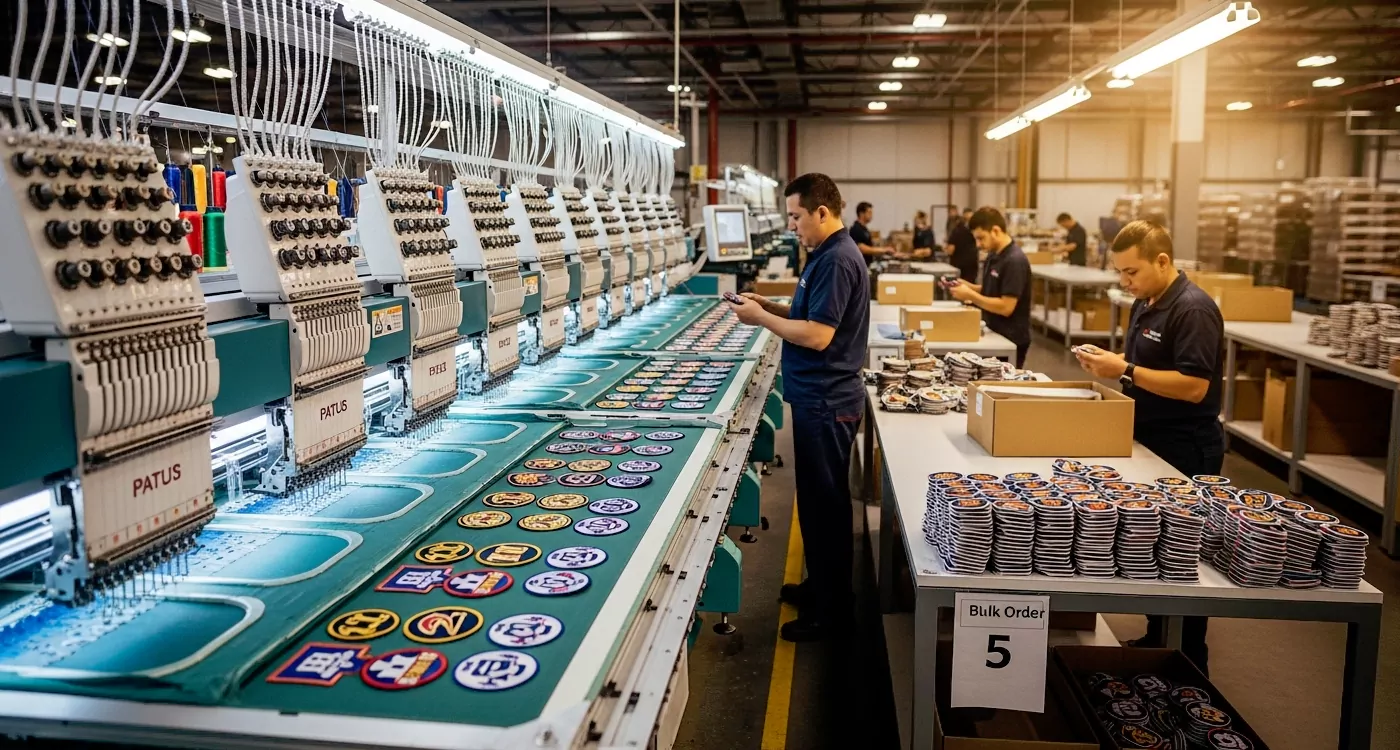
Custom patches can be ordered from professional patch manufacturers, online suppliers, embroidery shops, or apparel factories. These providers design, manufacture, and deliver patches for uniforms, brands, and organizations. Custom patches help represent identity, branding, and affiliation across many industries.
Businesses, sports teams, police units, and fashion brands frequently use custom patches. Patches can display logos, names, emblems, and artwork on clothing. Modern patch manufacturers provide multiple patch styles, materials, and backing options.
Online custom patch manufacturers remain the most reliable option for consistent production quality. They offer professional design assistance, advanced manufacturing technology, and flexible order quantities. Companies such as Nexus Patches specialize in producing embroidered, PVC, woven, printed, and leather patches.
Most professional manufacturers also provide free artwork preparation and fast production timelines. Customers submit their patch design and receive a digital proof for approval. Production begins after the customer confirms the final artwork.
Understanding where to order custom patches helps businesses select reliable manufacturers. The next section explains the best places to get custom patches made.
Best Places to Get Custom Patches Made
Custom patches can be produced by specialized patch manufacturers, embroidery shops, promotional suppliers, and apparel factories. Each provider offers different production capabilities, pricing models, and order requirements. Understanding these sources helps businesses choose the best supplier.
Online Custom Patch Manufacturers
Online custom patch manufacturers provide the most complete patch production services. They offer professional design support, advanced manufacturing equipment, and international shipping services. Many manufacturers produce multiple patch types within the same facility.
Professional companies such as Nexus Patches manufacture embroidered, PVC, woven, printed, and leather patches. These manufacturers support both small and bulk orders. They also provide artwork preparation, patch sampling, and production quality control.
Online manufacturers simplify the ordering process through digital communication. Customers submit their patch design and receive a digital proof. Production begins after artwork approval and payment confirmation.
Local Embroidery Shops
Local embroidery shops produce embroidered patches for nearby customers. These shops usually operate small embroidery machines and basic stitching equipment. Many businesses choose local embroidery services for quick patch production.
Local shops are suitable for small patch orders or simple logo designs. However, many embroidery shops only produce embroidered patches. They rarely manufacture PVC, woven, or leather patches.
Production capacity is also limited compared with professional manufacturers. Large orders often require longer production times. Businesses needing advanced patch types usually work with specialized manufacturers instead.
Promotional Product Suppliers
Promotional product suppliers provide custom patches as branded merchandise for businesses and events. These suppliers distribute promotional items such as badges, pins, apparel, and patches. Many companies order patches through promotional suppliers for marketing campaigns.
Promotional suppliers typically act as intermediaries between customers and manufacturers. They collect design details and forward orders to patch production companies. The supplier then manages delivery and client communication.
This model simplifies ordering for corporate clients and event organizers. However, production control usually remains with the manufacturing partner. Businesses seeking direct customization often prefer specialized manufacturers like Nexus Patches for better design communication and production transparency.
Clothing Manufacturers
Clothing manufacturers produce custom patches for apparel brands and fashion labels. Many fashion companies attach patches to jackets, hats, uniforms, and workwear. Garment factories frequently integrate patches during clothing production.
These manufacturers usually produce patches as part of the apparel manufacturing workflow. Patch designs are prepared before garment assembly begins. The patches are then stitched or heat-pressed onto finished garments.
Clothing factories work best for brands producing large clothing collections. However, they rarely accept small standalone patch orders. Businesses needing independent patch production often choose specialized patch manufacturers.
Patch Wholesalers
Patch wholesalers distribute large quantities of patches to retailers and organizations. These suppliers typically focus on bulk patch orders for clubs, schools, and uniform providers. Wholesale suppliers maintain large patch inventories or coordinate large production runs.
Wholesale suppliers usually require high minimum order quantities. Bulk purchasing reduces the unit price of each patch. This model benefits organizations needing large volumes of identical patches.
However, customization flexibility may be limited. Many wholesalers offer predefined patch styles and sizes. Businesses needing unique designs and multiple patch types usually work directly with professional manufacturers like Nexus Patches instead.
What Types of Custom Patches Can You Order?
Custom patches are available in several manufacturing styles, each offering different textures and visual details. The most common patch types include embroidered patches, PVC patches, woven patches, printed patches, and leather patches. Each type serves different design and durability requirements.
Selecting the correct patch type depends on design complexity, usage environment, and fabric compatibility.
Embroidered Patches
Embroidered patches use stitched polyester threads to create raised designs and textured logos. These patches remain the most traditional and recognizable patch style. The embroidery process stitches threads onto a twill fabric base.
Embroidered patches work well for uniforms, club emblems, and military insignia. They provide strong durability and a classic appearance. However, embroidery may limit extremely small design details.
PVC Rubber Patches
PVC patches use soft rubber material to create flexible and weather-resistant designs. These patches are manufactured through rubber molding processes. Liquid PVC fills a metal mold to create layered patch designs.
PVC patches resist water, sunlight, and harsh outdoor conditions. Tactical units, sports teams, and outdoor brands frequently use them. These patches also support vibrant colors and dimensional textures.
Woven Patches
Woven patches use thin threads woven tightly together to create detailed designs. This process allows sharper details than traditional embroidery. Woven patches work best for designs containing small text or intricate artwork.
These patches provide a smooth surface and lightweight fabric structure. Fashion brands and uniform manufacturers often prefer woven patches.
Printed Patches
Printed patches reproduce artwork directly onto fabric using advanced printing technology. This method allows photographic detail and complex color gradients. Printed patches work well for logos containing shading or detailed graphics.
Printed patches usually include a protective coating for durability. They are common in promotional products and branding applications.
Leather Patches
Leather patches use genuine or synthetic leather materials for premium branding. These patches appear frequently on denim products, hats, and outdoor apparel. Leather patches are usually embossed, engraved, or printed with brand logos.
Fashion brands favor leather patches because of their natural texture and premium appearance. Many apparel manufacturers combine leather patches with stitched borders for added durability.
How Custom Patches Are Manufactured
Custom patches are manufactured using embroidery stitching, rubber molding, fabric weaving, or digital printing. Each method produces a different patch structure and visual appearance. Professional manufacturers combine design preparation, material selection, and specialized machinery during production.
Manufacturing quality determines patch durability, color accuracy, and design clarity. Experienced producers such as NexusPatches use industrial equipment and precise design preparation before starting patch production.
Embroidery Digitizing
Embroidery digitizing converts patch artwork into a machine-readable stitch file. Designers translate logos and graphics into embroidery commands. The stitch file controls needle movement, thread color changes, and stitch density.
Digitizing ensures accurate stitching and balanced thread coverage. High-quality digitizing prevents thread breaks and design distortion. Professional digitizers adjust stitch angles, spacing, and layering before embroidery begins.
PVC Patch Molding
PVC patch molding creates rubber patches using injection molding technology. Designers prepare a layered mold based on the patch artwork. Liquid PVC material fills the mold cavities to form the design.
The molded patch then passes through heating and cooling stages. These stages solidify the rubber layers and maintain shape accuracy. PVC patches gain flexibility, water resistance, and long-term durability.
Fabric Weaving
Woven patches are produced using high-density textile weaving machines. Thin threads interlace tightly to create detailed images and small lettering. The weaving process forms the patch design directly into the fabric.
Woven patches require precise thread tension and pattern alignment. After weaving finishes, machines cut the patch shapes and apply border finishing. This process produces lightweight patches with smooth surfaces and sharp design details.
Important Patch Features to Consider Before Ordering
Patch quality depends on materials, backing type, size, and design structure. These features determine durability, attachment method, and overall appearance. Businesses should review these attributes before placing a custom patch order.
Professional manufacturers such as Nexus Patches help customers select suitable materials and backing options. Correct feature selection ensures the patch matches the intended application.
Patch Materials
Patch materials influence durability, texture, and environmental resistance. Embroidered patches usually use polyester embroidery thread and twill fabric. Woven patches use thin textile threads to create detailed designs.
PVC patches use flexible rubber material that resists water and sunlight. Leather patches use genuine or synthetic leather for premium branding. Material selection depends on clothing type, weather exposure, and design style.
Patch Backing Options
Patch backing determines how the patch attaches to clothing or equipment. Sew-on backing requires stitching the patch onto fabric surfaces. This method provides strong and permanent attachment.
Iron-on backing uses heat-activated adhesive to bond patches to garments. Hook and loop backing allows patches to attach and detach quickly. Adhesive backing provides temporary attachment for promotional uses.
Patch Size and Shape
Patch size and shape affect visibility, design clarity, and garment placement. Common shapes include circle, rectangle, shield, and custom die-cut forms. Designers select shapes based on logo structure and patch location.
Larger patches display detailed artwork more clearly. Smaller patches work well for hats, sleeves, and tactical gear. Proper size selection ensures the design remains readable and visually balanced.
How to Order Custom Patches Online
Ordering custom patches online involves submitting a design, approving artwork, and starting production. Most professional manufacturers follow a structured ordering workflow. This process ensures accurate patch production and timely delivery.
Online manufacturers simplify communication through digital design proofs and order tracking. Companies such as Nexus Patches manage the entire process from artwork preparation to final shipping.
Typical ordering steps include:
- Submit your patch design.
Customers send a logo, sketch, or concept description. - Receive digital artwork.
Designers convert the concept into a production-ready patch design. - Approve the design proof.
Customers review colors, size, and patch structure. - Start patch manufacturing.
Production begins after approval and payment confirmation. - Deliver finished patches.
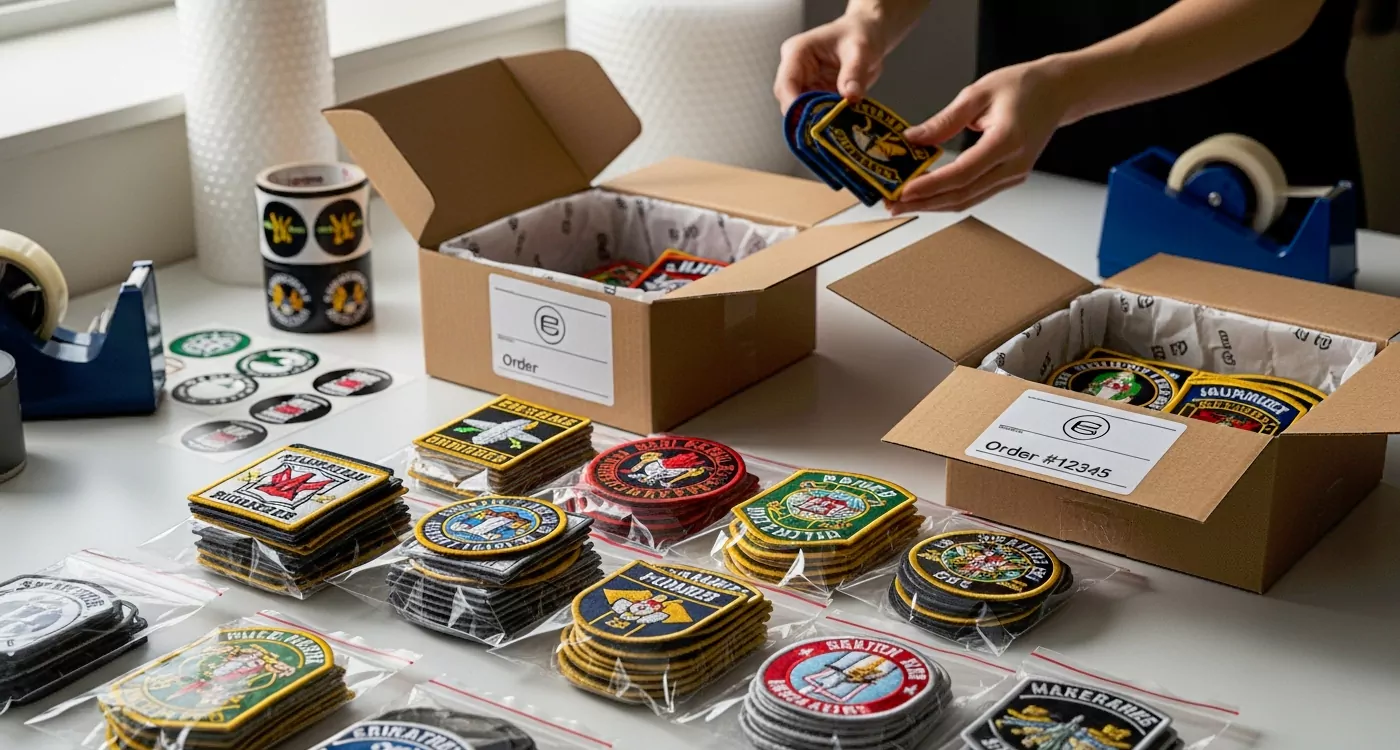
Completed patches ship to the customer after production.
This structured workflow helps maintain quality control throughout production. Professional manufacturers also provide artwork support and design adjustments during the process.
Why Online Patch Manufacturers Are the Best Option
Online patch manufacturers provide better production capabilities than most local suppliers. They operate specialized equipment designed for patch manufacturing. This allows them to produce multiple patch types with consistent quality.
Professional manufacturers also offer flexible order quantities. Customers can order small batches or large production runs. This flexibility benefits startups, clubs, and established brands.
Online companies also provide professional design support. Designers refine patch artwork before production begins. This preparation improves stitch accuracy and overall patch appearance.
Manufacturers like Nexus Patches also provide several service advantages:
- free patch artwork preparation
- multiple patch styles in one order
- low minimum order quantities
- fast production timelines
- international shipping support
These services make online manufacturers the preferred choice for custom patch production.
Recommended Custom Patch Manufacturer
Choosing a reliable patch manufacturer ensures high-quality production and consistent design accuracy. Professional manufacturers provide advanced equipment, experienced designers, and structured production workflows. Businesses often prefer specialized patch manufacturers for better customization and production reliability.
One trusted option is Nexus Patches, a custom patch manufacturing company serving international clients. The company produces several patch styles, including embroidered patches, PVC patches, woven patches, printed patches, and leather patches. These options allow customers to select the most suitable patch type for their design and application.
The company also provides professional artwork preparation before production begins. Designers convert customer concepts into production-ready patch layouts. Customers receive a digital proof to review patch colors, size, and structure before manufacturing starts.
NexusPatches also supports flexible order quantities for different customers. Businesses can order small batches or large production volumes depending on their needs. The company offers multiple backing options such as iron-on, sew-on, hook and loop, and adhesive backing.
Fast production timelines and international shipping services further simplify the ordering process. These services help organizations receive their custom patches quickly while maintaining consistent manufacturing quality.
Industries That Use Custom Patches
Custom patches are widely used across industries for identification, branding, and uniform decoration. Many organizations attach patches to clothing, equipment, and promotional products. Patches help display logos, team identity, and organizational affiliation.
Common industries using custom patches include:
- military units and tactical teams
- police departments and security agencies
- sports teams and athletic clubs
- motorcycle clubs and community organizations
- fashion brands and apparel companies
- scouting organizations and youth groups
Military and law enforcement organizations often use embroidered or PVC patches. These patches display rank, unit identity, and operational insignia. Sports teams frequently use patches to represent team logos and championships.
Fashion brands commonly use woven or leather patches for clothing branding. Apparel companies attach patches to hats, jackets, and denim products. Custom patches therefore serve both functional and decorative purposes across industries.
How Much Do Custom Patches Cost?
Custom patch pricing depends on patch size, design complexity, materials, and order quantity. Manufacturers calculate prices using these production variables. Larger orders usually reduce the cost per patch.
Typical pricing factors include:
- patch size and dimensions
- patch type and manufacturing method
- design detail and color count
- order quantity and production volume
- backing type and attachment method
Embroidered patches often cost less for standard logo designs. PVC patches may cost more because of mold production. Woven patches allow finer details but require precise weaving equipment.
Bulk orders significantly reduce the unit price of each patch. Organizations ordering hundreds or thousands of patches receive lower production costs. Smaller orders usually have slightly higher prices because of setup requirements.
Professional manufacturers such as Nexus Patches help customers choose cost-effective patch options. They also provide free artwork preparation and flexible minimum order quantities. This approach helps businesses produce high-quality patches within their budget.
Conclusion
Custom patches can be ordered from specialized manufacturers, embroidery shops, promotional suppliers, and apparel factories. Among these options, professional patch manufacturers provide the most reliable production capabilities. They offer advanced equipment, design expertise, and multiple patch styles.
Businesses and organizations often prefer online manufacturers for flexible ordering and consistent quality. These companies simplify the ordering process through digital artwork proofs and structured production workflows.
Professional manufacturers like Nexus Patches provide several patch types including embroidered, PVC, woven, printed, and leather patches. Customers also benefit from artwork assistance, multiple backing options, and fast delivery services.
Choosing an experienced manufacturer ensures durable patches and accurate design reproduction. Organizations can therefore create patches that represent their identity, branding, and achievements effectively.
Frequently Asked Questions About Custom Patches
Where can I order custom patches online?
Custom patches can be ordered from specialized online patch manufacturers. These companies provide design services, manufacturing equipment, and international delivery. Businesses often prefer professional manufacturers like Nexus Patches because they offer multiple patch types and flexible order quantities.
What is the best patch type for uniforms?
Embroidered patches are usually the best option for uniforms. They provide strong durability and a classic stitched appearance. Military units, police departments, and security teams commonly use embroidered patches.
PVC patches also work well for tactical uniforms because they resist water and harsh conditions.
How long does custom patch production take?
Custom patch production usually takes between 7 and 12 business days. Production time depends on order quantity, patch type, and design complexity. Additional shipping time may apply depending on the delivery location.
Professional manufacturers streamline the process through digital artwork approval and organized production workflows.
What backing option is best for custom patches?
The best patch backing depends on how the patch will be used.
Common backing options include:
- Sew-on backing for permanent attachment
- Iron-on backing for quick garment application
- Hook and loop backing for removable patches
- Adhesive backing for temporary use
Each backing option supports different clothing types and usage conditions.
What is the minimum order for custom patches?
Minimum order quantities vary depending on the manufacturer. Some companies require large production volumes. Others allow small orders for clubs and small businesses.
Manufacturers like Nexus Patches support low minimum order quantities, allowing customers to produce small batches when needed.








Post Comment