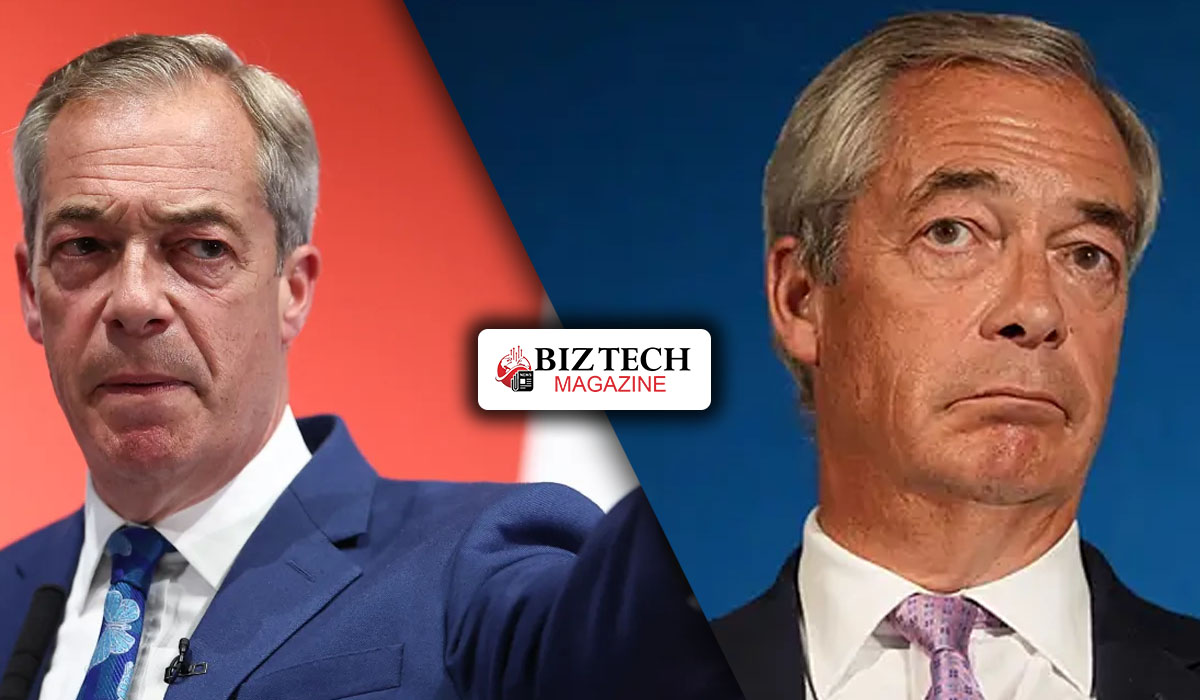
Nigel Farage is a British politician, broadcaster, and former commodities trader best known for leading the Brexit movement and serving as leader of Reform UK. Born in Kent in 1964, he built a career in the City of London before entering politics.
Nigel Farage became a founding member of UKIP, served as a Member of the European Parliament for over two decades, and later launched the Brexit Party, which became Reform UK.
His life includes major political campaigns, multiple election contests, a serious plane crash, recovery from cancer, media success, and a close relationship with Donald Trump. This article examines Nigel Farage’s biography, family, political views, elections, net worth, health, wives, children, and public influence.
Quick Bio
| Attribute | Details |
|---|---|
| Full Name | Nigel Paul Farage |
| Date of Birth | 3 April 1964 |
| Age | 62 Years (2026) |
| Birthplace | Farnborough, Kent, England |
| Nationality | British |
| Profession | Politician, Broadcaster, Former Commodities Trader |
| Education | Dulwich College |
| Current Party | Reform UK |
| Former Parties | Conservative Party, UKIP, Brexit Party |
| Current Position | MP for Clacton |
| Father | Guy Justus Oscar Farage |
| Mother | Barbara Farage |
| Brother | Andrew Farage |
| Children | Samuel, Thomas, Victoria, Isabelle |
| First Wife | Gráinne Hayes |
| Second Wife | Kirsten Mehr |
| Known For | Brexit Campaign and Reform UK |
| Net Worth | Estimated Multi-Million Pounds |
| Health History | Cancer Survivor and Plane Crash Survivor |
| Status | Alive |
Who Is Nigel Farage?
Nigel Farage is a British politician, broadcaster, and former commodities trader. He is best known for leading campaigns that supported the United Kingdom’s withdrawal from the European Union. Throughout his political career, Nigel Farage became one of the most recognisable figures in modern British politics.
His leadership roles in UKIP, the Brexit Party, and Reform UK helped shape national debates on sovereignty, immigration, and governance. Today, Nigel Farage serves as the leader of Reform UK and represents Clacton in Parliament. His influence extends beyond politics through media appearances, public speaking, and broadcasting.
Early Life and Family Background of Nigel Farage
Nigel Farage was born on 3 April 1964 in Farnborough, Kent, England. He grew up in a family connected to London’s financial sector and developed an interest in economics and public affairs at an early age.
His childhood was influenced by significant family challenges, including the separation of his parents. Despite these difficulties, Nigel Farage built a successful career in finance before entering politics.
His family history, ancestry, and upbringing continue to attract public interest because they provide important context for his later political views and professional decisions.
Nigel Farage Parents and Family Heritage
Nigel Farage was born to Guy Justus Oscar Farage and Barbara Farage. His father worked as a stockbroker and commodities trader in the City of London. His mother became the primary parent after the family separation.
Nigel Farage’s ancestry includes English, German, and French Huguenot roots. These family connections form an important part of the wider Farage family history.
Public biographies often highlight the resilience shown by Barbara Farage during the brothers’ upbringing and the influence of their financial-sector background.
Relationship With Andrew Farage
Nigel Farage is the older brother of Andrew Farage. The brothers grew up together in Kent and shared similar childhood experiences following their parents’ separation.
Although both entered the financial sector, their careers developed in different directions. Nigel Farage moved into politics and public life, while Andrew Farage remained focused on commodity brokerage and business activities.
The brothers later became business associates through Farage Limited, a company established in 2003. Despite their different public profiles, family and business connections have remained an important part of their relationship.
Education and Early Career
Nigel Farage’s education and early professional experiences helped shape his future career. Unlike many senior politicians, he did not attend university.
Instead, he entered the City of London directly after completing school. His early exposure to financial markets provided practical experience in trading, economics, and business operations. These experiences later influenced his political positions on regulation, taxation, and economic policy.
The following sections explore Nigel Farage’s education at Dulwich College and his career as a commodities trader before entering politics.
Dulwich College Education
Nigel Farage attended Dulwich College, one of Britain’s most respected independent schools. Located in South London, the school has educated many prominent public figures. During his time there, Nigel Farage developed interests in debate, current affairs, and leadership.
He completed his education at the age of eighteen and decided against pursuing a university degree. This decision distinguished him from many future politicians.
Instead of continuing into higher education, he chose a professional path within London’s financial sector, where he began building practical business experience.
Career as a Commodities Trader
After leaving school, Nigel Farage entered the City of London and worked as a commodities trader. He was employed by firms including Maclaine Watson and later Refco. His work involved metals trading, brokerage services, and commodity market transactions.
This career provided direct exposure to international markets, economic trends, and financial regulation. Nigel Farage spent many years in the trading industry before becoming a full-time politician.
His experience as a commodities trader remains an important part of his public identity and often informs his views on business, taxation, and economic policy.
Political Career of Nigel Farage
Nigel Farage built one of the most influential political careers in modern British history. His political journey began with opposition to deeper European integration and later developed into a wider campaign focused on national sovereignty, immigration policy, and political reform.
Over several decades, Nigel Farage served as a Member of the European Parliament, led UKIP, founded the Brexit Party, and became leader of Reform UK.
His campaigns significantly influenced public debate across the United Kingdom. The following sections examine his departure from the Conservative Party, leadership of UKIP, role in Brexit, and current position within Reform UK.
Leaving the Conservative Party
Nigel Farage initially supported the Conservative Party during his youth. However, his views changed during debates surrounding the Maastricht Treaty and the future direction of the European Union.
He believed that increasing European integration reduced British sovereignty and democratic accountability. As a result, he left the Conservative Party during the early 1990s.
This decision marked the beginning of his long association with Eurosceptic politics. His departure reflected concerns about European governance, border control, and national independence, themes that later became central to his political identity.
UKIP Leadership and European Parliament Career
Nigel Farage became a founding member of the UK Independence Party, commonly known as UKIP. He served as party leader during multiple periods and transformed UKIP from a small political movement into a major force within British politics.
In 1999, he was elected to the European Parliament and remained a Member of the European Parliament until 2020. During this period, Nigel Farage gained international recognition for speeches criticising European institutions and promoting British withdrawal from the European Union.
His leadership helped UKIP achieve strong performances in European elections and increased public awareness of Eurosceptic policies.
Brexit Campaign and Referendum
Nigel Farage played a central role in the Brexit movement. Although he did not officially lead the Vote Leave campaign, he became one of the most visible advocates for leaving the European Union.
His campaign messages focused on sovereignty, immigration control, democratic accountability, and border security. During the 2016 referendum campaign, Nigel Farage appeared frequently in media interviews, public rallies, and political debates.
The referendum result in favour of leaving the European Union represented the most significant achievement of his political career. Many supporters regard Brexit as the defining legacy of Nigel Farage’s public life.
Brexit Party and Reform UK
Following the Brexit referendum, Nigel Farage founded the Brexit Party in 2019. The party achieved considerable success during the European Parliament elections and attracted significant voter support.
After the United Kingdom formally left the European Union, the Brexit Party was rebranded as Reform UK. Nigel Farage later returned to lead the party and expand its political platform beyond Brexit.
Reform UK now focuses on issues including immigration, taxation, economic growth, government reform, and energy policy. Under his leadership, the party has become an increasingly important participant in British politics.
Nigel Farage Election History
Nigel Farage contested numerous elections before securing a seat in the House of Commons. His early parliamentary campaigns were unsuccessful, despite growing popularity within Eurosceptic circles.
However, his persistence helped establish a strong national profile and increased support for his political causes. Electoral setbacks did not prevent him from influencing national policy debates or achieving success in European elections. His eventual parliamentary victory represented the culmination of decades of political campaigning and public engagement.
Key election milestones include:
- Election as a Member of the European Parliament in 1999.
- UKIP victory in the 2014 European Parliament election.
- Brexit Party success in the 2019 European elections.
- Election as MP for Clacton during the 2024 General Election.
His victory in Clacton marked the first time Nigel Farage entered the House of Commons as an elected Member of Parliament, completing a long political journey that began more than three decades earlier.
Nigel Farage Political Views
Nigel Farage is widely associated with Euroscepticism, national sovereignty, immigration control, and political reform. His political philosophy combines elements of right-wing populism, economic liberalism, and anti-establishment politics.
Throughout his career, Nigel Farage has argued that major political decisions should remain under British democratic control rather than international institutions.
His policy positions have influenced public debate on immigration, taxation, energy, and constitutional issues. The following sections examine his views on immigration, border policy, economic reform, and energy strategy, which continue to shape the platform of Reform UK.
Immigration and Border Policies
Immigration policy has been a central feature of Nigel Farage’s political career. He has consistently argued for stronger border controls and lower levels of net migration.
Nigel Farage believes immigration policy should prioritise national interests, labour market stability, and public service capacity. He has also called for tougher measures against illegal Channel crossings and human trafficking networks.
These positions became important themes during both the Brexit campaign and Reform UK campaigns. Supporters argue that his policies strengthen border security, while critics view them as restrictive.
Regardless of perspective, immigration remains one of the defining issues associated with Nigel Farage.
Economic and Energy Policies
Nigel Farage supports lower taxation, reduced regulation, and policies designed to encourage business investment. His economic views reflect his background in financial markets and commodities trading.
He frequently argues that excessive regulation can limit economic growth and entrepreneurial activity. On energy policy, Nigel Farage has criticised Net Zero targets and questioned the economic costs associated with some climate strategies.
He advocates greater domestic energy production and increased energy independence. These positions have become key elements of Reform UK’s policy platform and continue to attract significant public attention.
Nigel Farage and Donald Trump
Nigel Farage maintains one of the closest political relationships between a British politician and an American president. He developed a strong connection with Donald Trump during the 2016 United States presidential campaign and publicly supported Trump’s candidacy before many other international political figures.
Their relationship is often discussed because both became associated with anti-establishment politics, national sovereignty, and immigration reform.
Farage attended campaign events, appeared alongside Trump at political rallies, and later became a frequent visitor to Mar-a-Lago. He has regularly defended Trump’s policies in television interviews and public appearances.
Political commentators often compare the Brexit movement and the Trump movement because both challenged established political institutions and appealed to voters seeking political change.
Although they operate in different political systems, Nigel Farage and Donald Trump remain closely linked in discussions of modern populist politics.
Nigel Farage Plane Crash and Health History
Nigel Farage’s life includes several serious health challenges and near-fatal incidents. The most widely known event was the 2010 plane crash during a UKIP election campaign.
Earlier in life, he survived a major road accident and successfully recovered from cancer. These experiences influenced both his personal outlook and public image. Supporters often point to his resilience and determination following these events.
The following sections examine the plane crash and other significant health challenges that shaped Nigel Farage’s personal journey.
The 2010 Plane Crash
During the 2010 General Election campaign, Nigel Farage was involved in a serious light aircraft accident. The aircraft was towing a UKIP promotional banner when the banner became entangled with the aircraft’s tail structure.
This caused the plane to lose stability and crash shortly after take-off. Nigel Farage suffered multiple injuries, including broken ribs, a punctured lung, and a fractured sternum.
Emergency responders rescued him from the wreckage, and he underwent extensive medical treatment. Following rehabilitation, he returned to active political campaigning and continued his public career.
Car Accident and Cancer Recovery
Before entering national politics, Nigel Farage survived a serious road accident in 1985. The collision caused major leg and pelvic injuries that required lengthy hospital treatment and rehabilitation.
Shortly after recovering from the accident, he was diagnosed with testicular cancer. He underwent successful surgery and made a full recovery. These health challenges occurred during his early adulthood and tested his resilience.
Nigel Farage has occasionally referenced these experiences when discussing personal determination, recovery, and the importance of maintaining perspective during difficult periods of life.
Nigel Farage Wives and Children
Nigel Farage’s personal life has attracted significant public attention throughout his political career. He has been married twice and is the father of four children.
Despite his prominent public profile, many members of his family have chosen to remain outside the political spotlight. His marriages span different stages of his career, from his early years in financial services to his rise as a leading political figure.
The following sections examine Nigel Farage’s relationships, family life, and the children who form part of the wider Farage family.
First Marriage to Gráinne Hayes
Nigel Farage married Gráinne Hayes in 1988. Gráinne Hayes was an Irish nurse who played an important role during a difficult period of his life. She helped care for him following the serious road accident he suffered in 1985.
Their relationship developed during his recovery, eventually leading to marriage. Together they had two sons, Samuel Farage and Thomas Farage. During this period, Nigel Farage was building his career within London’s financial sector and beginning his involvement in politics.
The marriage ended in divorce during 1997 after nearly a decade together.
Second Marriage to Kirsten Mehr
In 1999, Nigel Farage married Kirsten Mehr, a German government bond broker. Their relationship reflected his continued connection to the financial sector during the early years of his political career.
The couple had two daughters, Victoria Farage and Isabelle Farage. Kirsten Mehr also worked within professional financial services and later assisted with aspects of Farage’s political activities.
Reports in recent years suggest the couple have lived separately since 2017, although they remain legally married. Despite public interest, both have generally kept personal family matters private.
Media Career and Broadcasting Success
Beyond politics, Nigel Farage has built a successful career in broadcasting, journalism, and television. His media profile expanded significantly following the Brexit referendum and his departure from the European Parliament.
Through television appearances, newspaper columns, public speaking engagements, and broadcasting contracts, Nigel Farage became one of Britain’s most recognised political commentators.
His media work has broadened his audience beyond traditional political supporters and contributed substantially to his public influence and financial success.
GB News and Television Appearances
Nigel Farage became a prominent presenter and commentator on GB News, where he hosts political programmes and interviews public figures. His broadcasting work focuses on politics, current affairs, public policy, and national issues.
Beyond news broadcasting, he gained wider public recognition through television appearances, including participation in reality television programmes. His appearance on I’m a Celebrity… Get Me Out of Here! introduced him to audiences who may not have followed his political career.
These media ventures strengthened his public profile and expanded his influence beyond the political sphere.
Nigel Farage Net Worth and Income Sources
Nigel Farage’s financial position has become a subject of significant public interest. His income comes from multiple sources, including parliamentary earnings, media contracts, public speaking engagements, broadcasting work, and commercial activities.
Unlike many politicians who rely primarily on parliamentary salaries, Nigel Farage has developed several revenue streams outside politics. This combination of political, media, and business income has contributed to estimates placing his wealth in the multi-million-pound range.
The following sections examine his earnings, business interests, and commercial activities.
Parliamentary Earnings and Business Interests
As a Member of Parliament, Nigel Farage receives a parliamentary salary associated with his role representing Clacton. In addition to this income, he has maintained various business interests throughout his career.
Public disclosures have highlighted revenue generated through speaking engagements, consultancy activities, and company holdings. One of the most discussed entities connected to his finances is Thorn in the Side Limited, a private company associated with his commercial activities.
These interests have helped diversify his income beyond traditional political earnings and contributed to his overall financial profile.
Media Contracts and Commercial Revenue
A significant portion of Nigel Farage’s income comes from media-related activities. Broadcasting contracts, television appearances, newspaper columns, and public speaking engagements provide substantial revenue.
His work with GB News has become one of his most visible commercial roles. Additional earnings have reportedly come from personalised video messages, media appearances, and promotional opportunities.
These activities have made Nigel Farage one of the highest-earning figures in British public life outside traditional business sectors. His ability to combine politics, broadcasting, and public engagement has created a diverse and highly profitable income portfolio.
Frequently Asked Questions
What Is Nigel Farage Net Worth?
Nigel Farage’s wealth is generally estimated in the multi-million-pound range. His income comes from parliamentary earnings, broadcasting contracts, public speaking, media appearances, business interests, and commercial activities. Exact figures vary because personal finances and asset values change over time.
Did Nigel Farage Survive A Plane Crash?
Yes. Nigel Farage survived a serious aircraft accident during the 2010 General Election campaign. The aircraft crashed after a promotional banner became entangled with its tail structure. He suffered multiple injuries but later recovered and returned to political activities.
Who Are Nigel Farage’s Wives?
Nigel Farage has been married twice:
- Gráinne Hayes (1988–1997)
- Kirsten Mehr (married in 1999)
Both relationships form important parts of his personal and family history.
How Many Children Does Nigel Farage Have?
Nigel Farage has four children:
- Samuel Farage
- Thomas Farage
- Victoria Farage
- Isabelle Farage
His sons were born during his first marriage, while his daughters were born during his second marriage.
What Party Does Nigel Farage Lead?
Nigel Farage currently leads Reform UK. Before Reform UK, he was closely associated with UKIP and later founded the Brexit Party. These organisations played major roles in the development of modern Eurosceptic politics.
What Are Nigel Farage Political Views?
Nigel Farage supports national sovereignty, lower immigration levels, stronger border controls, lower taxation, deregulation, and economic reforms designed to increase business competitiveness. He is also widely recognised for his Eurosceptic views.
When Did Nigel Farage Win A Parliamentary Election?
Nigel Farage won election to the House of Commons during the 2024 General Election. He secured victory in the Clacton constituency after several earlier unsuccessful parliamentary campaigns.
What Is Nigel Farage’s Relationship With Donald Trump?
Nigel Farage and Donald Trump have maintained a close political relationship for many years. Farage publicly supported Trump’s presidential campaigns and has frequently appeared alongside him at political events.
Did Nigel Farage Have Cancer?
Yes. During his early adulthood, Nigel Farage was diagnosed with testicular cancer. He underwent successful treatment and made a full recovery. He later returned to work and eventually entered politics.
What Did Nigel Farage Do Before Politics?
Before becoming a politician, Nigel Farage worked as a commodities trader in the City of London. He gained experience in financial markets, metals trading, brokerage services, and international commerce.
Conclusion
Nigel Farage remains one of the most influential and controversial figures in modern British politics. From his early career as a commodities trader to his leadership of UKIP, the Brexit Party, and Reform UK, he has played a significant role in shaping political debate across the United Kingdom.
His advocacy for Brexit transformed his public profile and established him as a leading voice for Euroscepticism and national sovereignty. Beyond politics, Nigel Farage has developed a successful broadcasting and media career while overcoming major personal challenges, including cancer, a serious road accident, and a near-fatal plane crash.
His family life, political campaigns, election victories, and relationship with international figures such as Donald Trump continue to attract public interest. Whether viewed as a political reformer or a divisive figure, Nigel Farage’s impact on British politics and public discourse remains substantial and enduring.







Post Comment