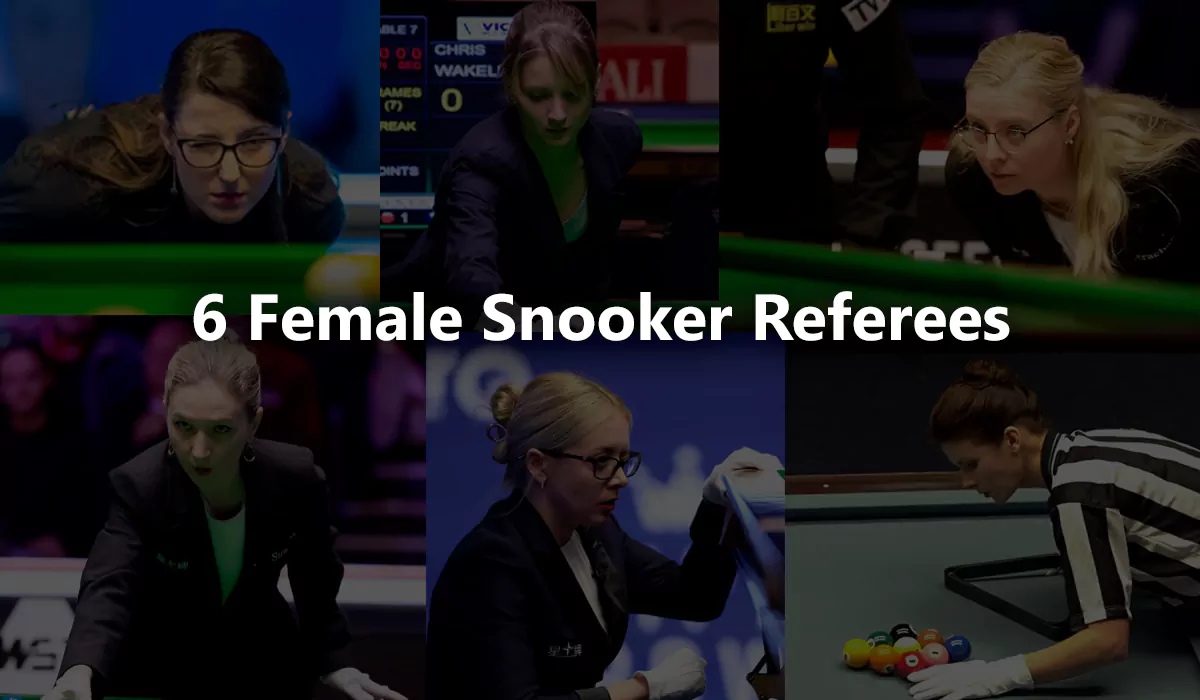
Female snooker referees play a critical role in professional snooker officiating worldwide. Female referees ensure fairness, rule enforcement, and match integrity. Snooker was long a male dominated sport. Women now officiate ranking tournaments, televised matches, and elite championships.
This guide explains women in snooker refereeing from history to present. It covers professional pathways, major milestones, and global recognition. Readers will understand how female referees reached the World Snooker Tour. The article focuses on authority, accuracy, and verified achievements.
Profiles include current referees officiating elite competitions today. Historic pioneers and modern officials are both analyzed. Their careers highlight consistency, discipline, and professional standards.
This introduction sets context for detailed referee profiles, salaries, tournaments, and future growth. Each section follows strict semantic structure for clarity and search relevance purposes.
9 Famous Female Snooker Referees 2026
This section highlights leading women officials in professional snooker. Each referee is recognized for officiating ranking tournaments and major finals. Their careers reflect experience, consistency, and international trust.
Desislava Bozhilova – Bulgarian Snooker Referee
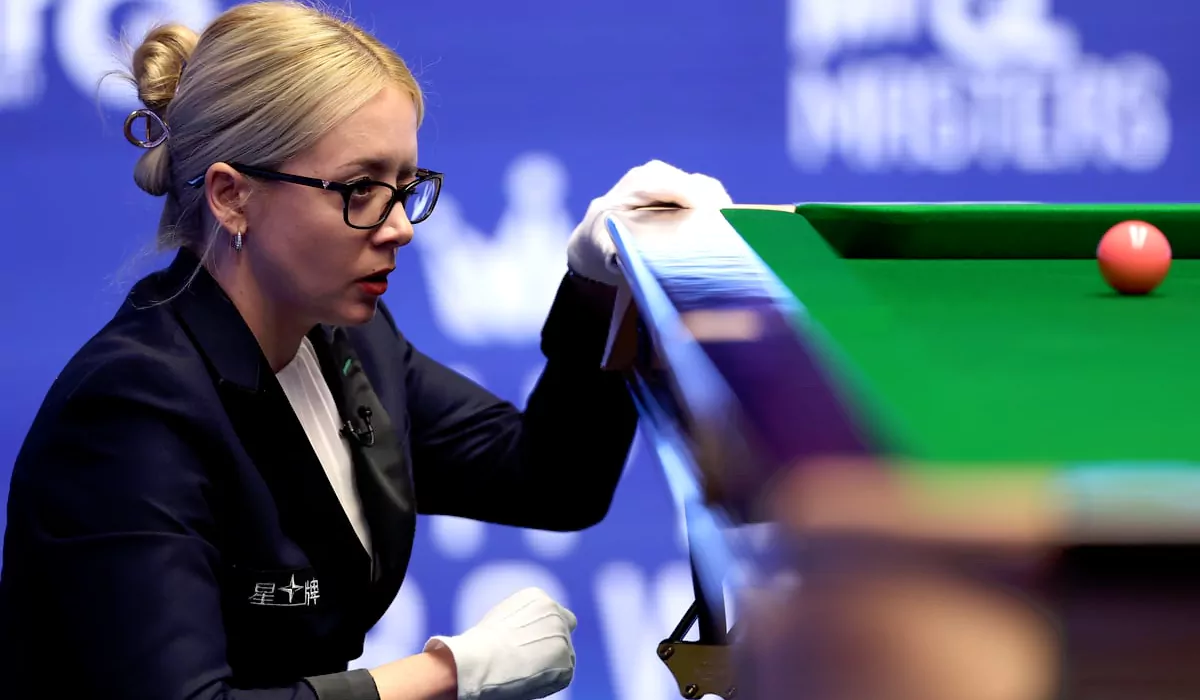
Desislava Vasileva Bozhilova is a respected international snooker referee from Bulgaria. She created history during the 2025 World Championship final. She became the first woman officiating every Triple Crown final. Her major finals include the Masters and UK Championship in 2022.
She joined the Bulgarian Snooker Referees Association during 2011. She qualified as an international referee during 2012. Her Crucible Theatre debut arrived during the 2019 World Championship stages.
Alongside snooker, she works in landscape architecture and interior visualisation. She also created custom snooker triangles through her Cue Action Store brand. Baking and computer graphics remain her favourite personal interests.
Tatiana Woollaston
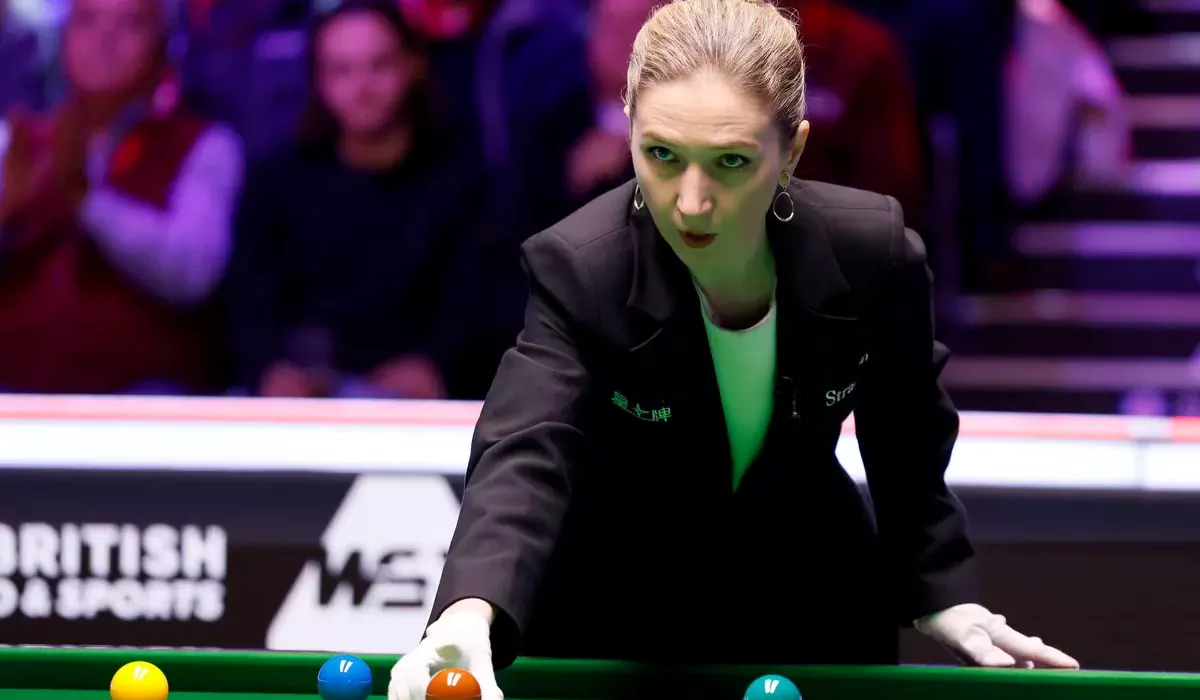
Tatiana Woollaston is a well-established name among current snooker referees. Her career demonstrates steady progression and long-term professional consistency. She is recognized for calm decision-making and match control.
Woollaston began refereeing at amateur events in Eastern Europe. She transitioned to professional officiating through European Tour tournaments. Early exposure helped build experience at competitive levels.
She officiated her first European Tour event in 2010.Televised ranking matches followed several years later. These assignments confirmed her readiness for elite competition.
Woollaston later refereed matches at the World Snooker Championship. Her Crucible appearances reflected trust from tournament organizers. She remains a regular official at ranking events.
Alongside refereeing, Woollaston maintains a professional career outside snooker. This balance highlights discipline and time management. Her presence strengthens representation of women in officiating.
Maike Kesseler
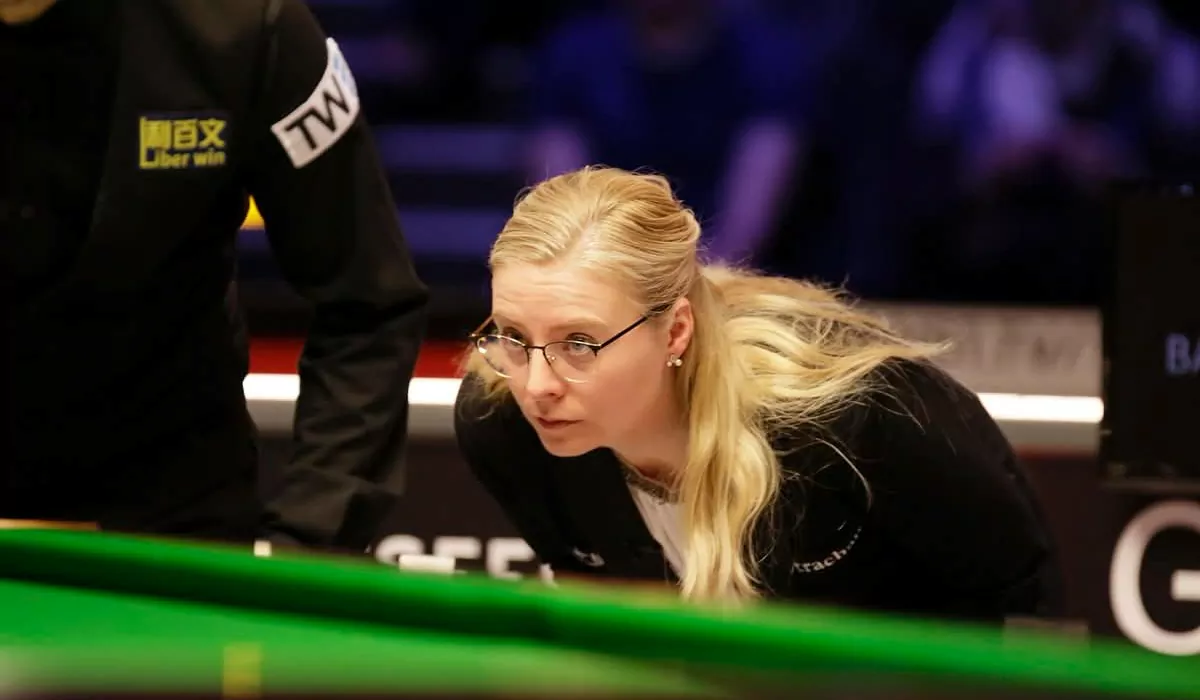
Maike Kesseler transitioned into refereeing after a playing background. Her understanding of the game supports accurate officiating decisions. She represents consistency within professional snooker refereeing.
Kesseler began officiating in the late 2000s. She progressed through domestic and European tournaments. Early performances attracted attention from governing bodies.
Her breakthrough came at the Paul Hunter Classic. Subsequent appointments included ranking tournaments and finals. These roles confirmed her technical reliability.
Kesseler officiated matches at World Championship events. She also handled pressure situations in major tournaments. Her calm approach supports fair competition.
Refereeing remains a professional commitment alongside her career outside sport. This balance reflects long-term dedication. Kesseler remains respected across the snooker circuit.
Michaela Tabb
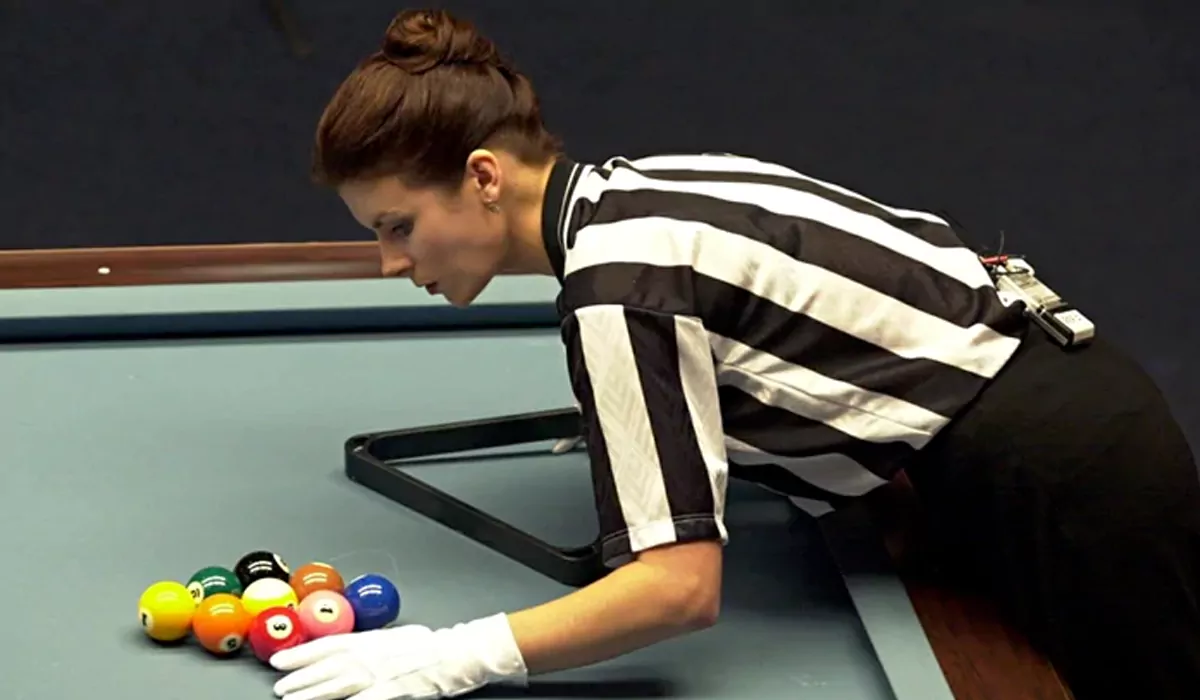
Michaela Tabb is the most influential pioneer among referees. Her career redefined officiating standards in professional snooker. She established authority through consistency and confidence.
Michaela Tabb qualified for the World Snooker Tour in 2001. She bypassed traditional pathways through exceptional performance. Early appointments attracted significant attention.
In 2002, she officiated her first ranking tournament match. This marked a historic first for women.
Visibility increased across televised snooker events.
Tabb became the first woman to referee a ranking final. She achieved this milestone at the Welsh Open.
Her performance earned universal professional respect.
She later refereed World Championship finals at the Crucible. These appearances confirmed her elite status.
She remained the benchmark for women officials for years.
Tabb’s career also involved legal challenges and advocacy. Her presence accelerated inclusion within snooker officiating. Her legacy directly influenced today’s female referees.
Proletina Velichkova
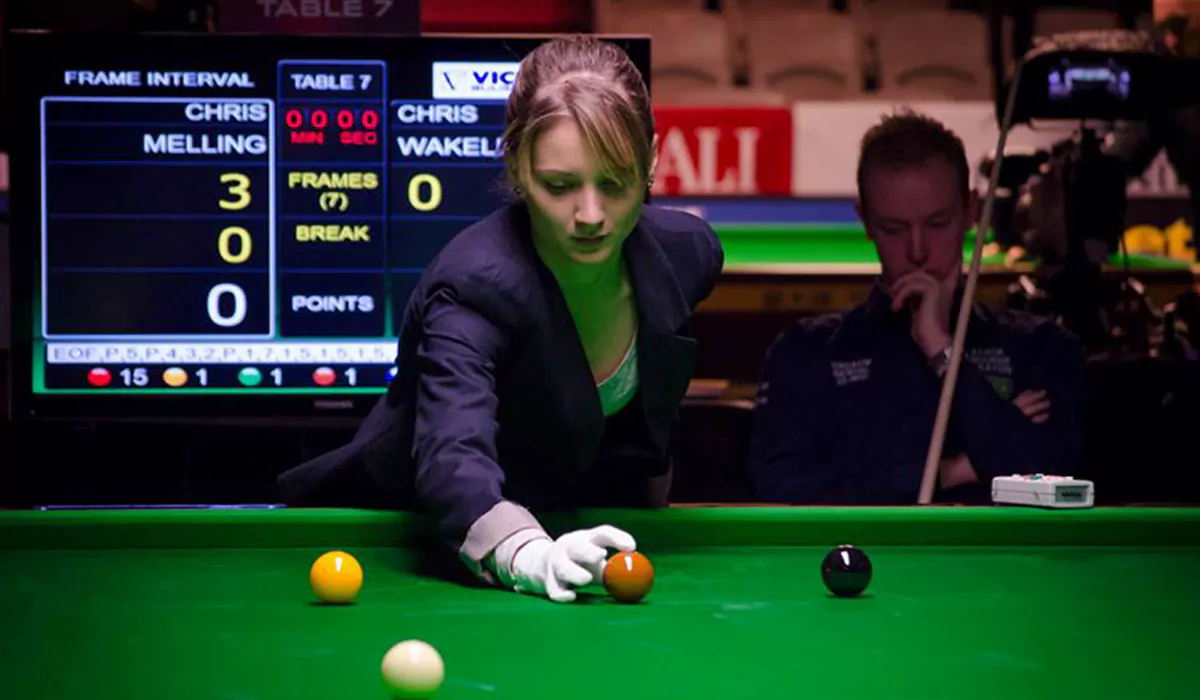
Proletina Velichkova is a prominent Bulgarian female snooker referee. Her rise reflects structured development through national associations. She is known for professionalism during televised matches.
Velichkova entered officiating via the Bulgarian Snooker Referees Association. She qualified after formal examination and domestic experience. Early appointments accelerated her professional exposure.
Her debut at ranking tournaments came at the Bulgarian Open. European Tour matches followed soon after.
She officiated high-profile players during early career stages.
Velichkova gained recognition through televised ranking matches. Her control and communication improved with experience. She became a familiar figure at international events.
Outside snooker, Velichkova holds an academic background. She applies analytical thinking to officiating decisions. Her career reflects technical growth and international credibility.
Monika Sułkowska
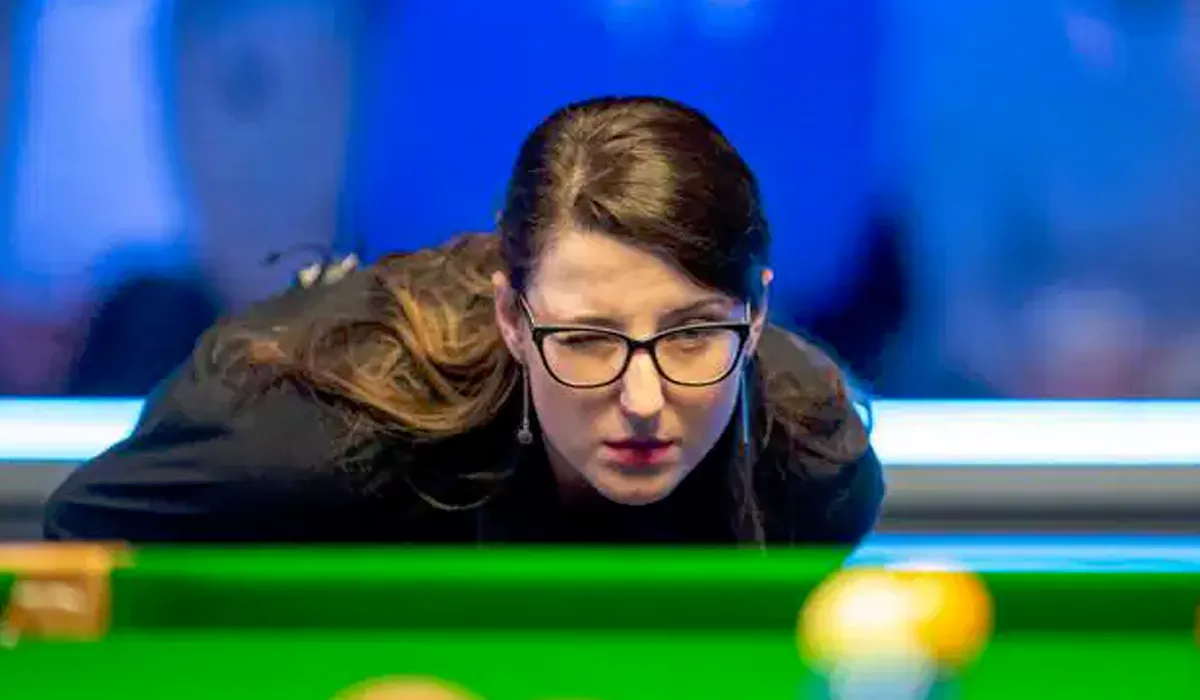
Monika Sułkowska combines officiating with professional expertise. She is recognized for versatility and organizational discipline. Her refereeing career developed through structured progression.
Sułkowska became an international referee in the early 2010s. She officiated her first professional tournament soon after. Early exposure included competitive European events.
Her first televised match came in Lisbon. She later officiated ranking tournaments across Europe.
Assignments included Home Nations Series events.
A career highlight included officiating a maximum break. Such moments strengthened her professional reputation. She maintained consistency under broadcast pressure.
Beyond refereeing, Sułkowska works as a sports journalist. This background enhances rule interpretation and communication. She represents modern, multi-skilled snooker officiating.
Natalia Grădinari
Natalia Grădinari is a respected professional snooker referee from Moldova. She joined the professional officiating level during 2021. She became an approved EBSA Class 2 referee during October 2021. Natalia officiated major tournaments across the World Snooker Tour calendar.
Her events included the Q Tour and Saudi Arabia Masters. She handled her first ranking final during Shoot Out 2025. A viral moment happened during the 2026 Tour Championship in Manchester.
She checked a difficult touching-ball situation directly on the table. Natalia also made snooker history alongside her son Vladislav Grădinari. They became the first mother and son competing in the same professional tournament.
Peggy Li
Peggy Li is a respected professional snooker referee from China. She started playing snooker during 1999 while studying in Australia. Her strong knowledge helped her enter professional snooker officiating quickly.
She refereed her first ranking final during the 2016 International Championship. The tournament took place in Daqing, China. Peggy Li debuted at the Crucible Theatre during the 2018 World Championship. She officiated important matches during the 2026 Halo World Snooker Championship.
A controversial foul decision against Chris Wakelin gained worldwide attention during 2026. Fans also admire her energetic personality and humorous reactions during matches. Social media followers often describe her as a lighthearted snooker prankster.
Satu Isolehto
Satu Isolehto is a respected international snooker referee from Finland. She is recognised for technical expertise and professional cue sports officiating. Satu achieved Class 1 EBSA referee status during March 2023. She officiated major tournaments across amateur and professional snooker circuits.
Her events included the World Snooker Championships and WPBSA Q Tour. She also handled important matches during WSF Junior Championships. Fans recognise her precise triangle setup during 6-Red snooker matches.
Satu married fellow international referee Tryggvi Erlingsson after meeting during the 2018 Nordic Championship. She also supports women’s equality and representation within international snooker refereeing and officiating roles.
List of Current Female Snooker Referees
This section summarizes active and recently active referees. The list reflects officials trusted at professional and ranking levels. Each name represents verified international officiating experience.
-
Desislava Bozhilova
-
Tatiana Woollaston
-
Proletina Velichkova
-
Maike Kesseler
-
Monika Sułkowska
- Natalia Grădinari
- Satu Isolehto
- Peggy Li
These referees regularly officiate professional snooker matches. Their appointments include ranking tournaments and televised events. Several have officiated at the World Snooker Championship.
This list supports clarity for readers seeking current officials. It avoids duplication of detailed career profiles. Each referee is analyzed separately in dedicated sections above.
Role of Female Referees in Professional Snooker
Female referees in snooker manage match flow and rule compliance. They ensure accurate scoring, correct ball placement, and fair conduct. Every decision directly affects competitive integrity and match outcomes.
Professional snooker referees officiate ranking and non-ranking tournaments. They supervise frames under strict World Snooker regulations. Consistency and concentration are mandatory throughout long matches.
Female referees also manage televised matches under global scrutiny. They coordinate with tournament officials and broadcast teams. Precision and neutrality remain essential at all competition levels.
Their role extends beyond officiating individual frames. They represent professionalism, discipline, and equality within cue sports.
History of Women in Snooker Refereeing
Snooker refereeing remained male dominated for decades. Women rarely appeared in professional officiating roles before 2000. Limited access and traditional structures restricted participation.
Early female referees entered through local associations and amateur events. Qualification pathways required examinations and tournament experience. Progress was gradual but consistent across European circuits.
The first major breakthrough came with women officiating ranking tournaments. Televised matches marked a turning point in visibility. Audience acceptance increased as professionalism became evident.
These milestones reshaped snooker officiating standards. Women gained recognition based on performance, not gender.
Female Snooker Referees at the World Championship
The World Snooker Championship represents officiating at the highest level. Matches are played under extreme pressure and global attention. Referees must demonstrate absolute control and rule precision.
Female referees now officiate at the Crucible Theatre regularly. Their appointments reflect trust earned through consistent performance. Selection follows years of ranking tournament experience.
Michaela Tabb became the first woman to referee a world final. Her appearances established credibility for women officials. This milestone reshaped professional officiating standards.
Desislava Bozhilova later refereed the World Championship final in 2025. She completed all three Triple Crown finals. This achievement confirmed modern equality in elite officiating.
These appointments show progression, not symbolism. World Championship referees are selected on merit alone.
How Much Do Snooker Referees Get Paid?
Snooker referees earn income based on tournament level and experience. Payment structures differ across ranking and non ranking events. Fees increase with responsibility and match importance.
Professional referees receive match fees per round officiated. Early rounds offer lower compensation.
Final stages command higher payments.
World Championship referees earn the highest fees. Crucible matches involve extended sessions and pressure.
These assignments reflect elite officiating status.
Additional income may include travel allowances and accommodations. Televised events sometimes provide enhanced compensation. Exact figures vary by governing body and season.
Refereeing is not always full time employment. Many officials maintain parallel professional careers.
Experience directly influences earning potential.
Women Referees in Snooker Today
Women referees are now established across professional snooker events. Their presence reflects progress built on performance and consistency. Appointments are based on merit, not representation.
Female referees regularly officiate ranking tournaments worldwide. They handle televised matches and high pressure sessions. Professional standards remain identical for all officials.
Female referees operate within international circuits. Their experience spans European Tour and World Championship stages. Visibility continues to normalize women in officiating roles.
This environment supports sustainable career development. Future officials benefit from clear professional pathways. Modern snooker reflects inclusive officiating standards.
Future of Female Referees in Snooker
The future of female referees in snooker shows steady growth. Development pathways are clearer than in previous decades. Access to training and certification continues to improve.
National associations now encourage female referee participation. Structured examinations support skill based progression. Performance remains the primary evaluation standard.
More women are expected to officiate ranking tournaments. World Championship appointments will continue expanding. Experience gained today supports future elite selections.
Broadcast exposure increases referee visibility and credibility. This visibility encourages new candidates to enter officiating. Professional refereeing is becoming a realistic long term career.
The next generation will benefit from established role models. Progress reflects consistency, not temporary trends.
Conclusion
Female snooker referees have earned their place through merit and discipline. Their careers reflect professionalism, accuracy, and sustained performance. Historic barriers no longer define officiating opportunities.
Today, women officiate ranking tournaments and world finals. Their presence strengthens integrity across professional snooker. Progress is measurable and consistent.
This article provided structured insight into careers, milestones, and earnings. It highlighted current referees shaping modern officiating standards. Snooker referees remain essential to the sport’s future.
Frequently Asked Questions
How many female referees are active today?
Several women officiate professional snooker globally. Numbers change based on tournament selection and season schedules. Most are appointed through international governing bodies.
Can women referee men’s professional snooker matches?
Yes, female referees regularly officiate men’s matches. Appointments are based on qualification and performance only. Gender has no role in referee selection.
Who was the first female snooker referee at the World Championship?
The first woman officiated a World Championship final in 2009. This marked a historic moment for professional snooker officiating. It changed long term perceptions.
Do female referees earn the same as men?
Yes, pay structures are equal. Earnings depend on experience and tournament level. Gender does not affect referee salary.
Why are there so many female referees?
Snooker referees increased due to tour expansion, structured recruitment, and modernisation efforts. Amateur pathways and Eastern European training produced officials, while pioneers Michaela Tabb and Desislava Bozhilova proved women excel at elite officiating levels.










Post Comment