
Antiques Roadshow: How a Chinese Vase Sold for £53 Million
The true story of the Antiques Roadshow vase 53 million sale and Chinese imperial porcelain auction history explained clearly.

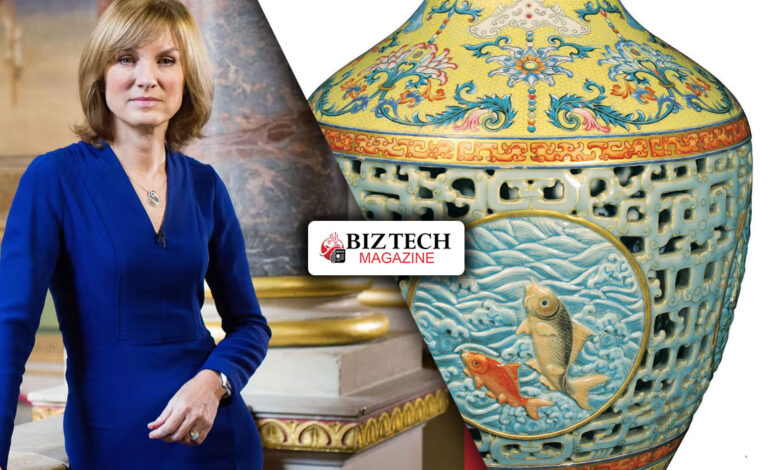
The antiques roadshow vase 53 million story refers to a rare Chinese Qing dynasty vase that was first dismissed as a reproduction but later sold at auction for more than £53 million including buyer’s fees. This Chinese vase became one of the most talked-about antiques valuation stories in BBC history.
The vase was originally shown on a BBC antiques programme in the 1970s. At that time, an expert reportedly described it as a clever copy and assigned only a modest value. The owners kept the vase for decades, unaware of its true historical and financial importance.
Years later, specialists re-examined the object. Authentication confirmed that the vase dated from the Qing Dynasty, during the reign of the Qianlong Emperor (1736–1795). This verification changed everything. Once listed at auction, competitive bidding pushed the final sale total above £53 million.
The antiques roadshow vase 53 million case became a major example of how provenance, rarity, and market demand can transform an antique’s value over time.
What Is the Antiques Roadshow Vase 53 Million Story?
The antiques roadshow vase sold for millions after being misjudged decades earlier. The vase was brought to a BBC antiques television programme by a British family. At the time, it was believed to be a reproduction rather than an imperial Chinese original.
After being stored for nearly forty years, the vase was professionally reassessed. Specialists identified imperial porcelain characteristics, high-quality craftsmanship, and historical markings linked to the Qing court.
When the vase was later sent to auction, intense international bidding followed. The hammer price reached approximately £43 million. After adding buyer’s premium and fees, the total amount paid exceeded £53 million.
The antiques roadshow vase 53 million story shows how antique value can change when authentication improves and market conditions evolve.
Description of the Chinese Vase
The antiques roadshow vase 53 million story centres on a Chinese porcelain vase from the Qing Dynasty, dating to the Qianlong period (1736–1795). The Qing Dynasty was one of China’s most powerful imperial eras, and porcelain produced for the imperial court was known for exceptional quality.
The vase was made of fine porcelain, fired at high temperature for strength and smooth finish. Its decorative style reflected imperial taste, with detailed painting, balanced proportions, and refined glazing. Such craftsmanship was associated with objects created for the Qianlong Emperor’s court.
This Chinese vase was rare because:
- It dated from the 18th century.
- It showed imperial production standards.
- It displayed high artistic quality.
- It survived in strong condition.
Imperial origin significantly increases antique value. Collectors highly prize Qing Dynasty porcelain connected to the Qianlong Emperor.
The combination of rarity, imperial association, and artistic excellence explains why the vase later achieved an extraordinary auction result.
Why Was the Vase Initially Undervalued?
The antiques roadshow vase sold for millions after misjudgement because early authentication methods were limited. When the vase first appeared on a BBC antiques programme in the 1970s, valuation standards were not as advanced as today.
Several factors contributed to the initial undervaluation:
- Limited authentication techniques at the time
- No detailed provenance verification
- Fewer global Chinese porcelain specialists in the UK market
- Different market demand conditions in the 1970s
- Expert judgement based on visual inspection alone
At that time, the international market for Qing Dynasty imperial porcelain was smaller. Chinese collector demand had not yet expanded globally. As a result, objects of this type were often undervalued outside Asia.
Expert judgement is based on available knowledge and market data. Without full historical verification, the vase was considered a reproduction rather than imperial porcelain.
The antiques roadshow vase 53 million case demonstrates how improved research, stronger provenance validation, and global market growth can transform antique valuation outcomes over time.
Why Was the Vase Initially Undervalued?
The antiques roadshow vase sold for millions after misjudgement because authentication standards and market conditions were very different in the 1970s. At the time of its first television appearance, experts relied mainly on visual inspection and general market knowledge.
Several factors explain the undervaluation:
- Limited authentication methods – Scientific testing and global database comparison were not widely used.
- No advanced provenance verification – The ownership history was not fully researched.
- 1970s market conditions – Chinese imperial porcelain did not command today’s international demand.
- Expert judgement limitations – Without confirmed documentation, the vase appeared similar to high-quality reproductions.
Antique valuation depends on available information. When provenance is unclear and market demand is low, value estimates remain conservative. The antiques roadshow vase 53 million case shows how misjudgement can occur when authentication and market knowledge are incomplete.
How the Vase Was Rediscovered
The antiques roadshow vase 53 million story changed when the vase was rediscovered decades later and re-evaluated by specialists. After its early dismissal, the vase was stored in a family attic for nearly forty years.
Years later, the family sought a second opinion. Specialist dealers and Chinese porcelain experts examined the object carefully. This time, authentication included closer inspection of glaze quality, craftsmanship, and historical markings.
The re-evaluation confirmed that the vase dated from the Qing Dynasty during the Qianlong period. Imperial characteristics were identified, and its historical significance was recognised.
After authentication, the vase was prepared for auction. Professional cataloguing, provenance review, and international marketing attracted serious collectors.
This rediscovery phase transformed the antiques roadshow vase 53 million story from undervaluation to record-breaking sale.
How Much Did the Vase Actually Sell For?
The vase worth 53 million achieved a hammer price of approximately £43 million. After adding the buyer’s premium and auction fees, the total paid exceeded £53 million.
Direct breakdown:
- Hammer price: approx £43 million
- Total with fees: approx £53 million
Buyer’s premium significantly increases the final transaction value, which explains why the reported figure reached over £53 million
Why Did the Chinese Vase Sell for 53 Million?
The chinese vase sold for 53 million because of combined valuation factors that created intense auction demand. Antique value increases when provenance, rarity, condition, and market demand align.
Provenance
Confirmed Qing Dynasty origin and imperial production standards strengthened authenticity. Provenance verification increased collector confidence.
Rarity
Imperial Qianlong porcelain of this type is extremely rare. Limited surviving examples increase competitive bidding.
Condition
The vase remained in strong structural condition despite long storage. Minimal restoration preserved historical integrity.
Imperial Origin
Objects associated with the Qianlong Emperor carry significant cultural and historical prestige. Imperial connection elevates market value.
Chinese Collector Demand
In the 21st century, demand for Chinese imperial antiques increased globally. Wealthy collectors compete for repatriation and ownership of historical artefacts.
Auction Competition
International bidders drove the price upward. Competitive bidding created a rapid price escalation during the auction.
The antiques roadshow vase 53 million case demonstrates how authentication, rarity, and global demand can transform an antique into a record-breaking auction result.
Is This the Most Expensive Vase Ever Sold?
The antiques roadshow vase 53 million sale is among the highest prices ever achieved for a Chinese porcelain vase, but it is not the only Qing dynasty piece to reach record levels.
Several Qing dynasty imperial porcelains, particularly from the Qianlong period, have achieved extremely high auction prices.
Other Qing Dynasty Sales
Qing dynasty imperial vases, especially those linked to the Qianlong Emperor, are among the most valuable categories in the global antiques market. Similar imperial porcelain pieces have reached multi-million-pound figures at major international auction houses.
Chinese Porcelain Market Surge
During the early 21st century, the Chinese porcelain market experienced significant growth. Wealth expansion in China increased demand for cultural heritage objects. Imperial Qing porcelain became a priority category for collectors seeking historically important pieces.
Global Auction Trends
Global auction houses began marketing Chinese imperial ceramics internationally. Competitive bidding between private collectors and institutional buyers increased price levels dramatically.
The antiques roadshow vase 53 million result reflects this wider market environment. The sale price was not only about the object itself, but also about timing, demand, and global competition.
What This Story Teaches About Antique Valuation
The antiques roadshow vase 53 million case demonstrates how antique valuation can change over time due to authentication, expertise, and market development.
Expert Fallibility
Experts make judgments based on available information. In the 1970s, authentication methods were limited. Without strong provenance evidence, the vase appeared to be a reproduction. This shows that expert opinion can evolve when new information emerges.
Importance of Authentication
Authentication transforms value. When specialists confirmed Qing dynasty origin and imperial craftsmanship, the object moved from reproduction category to imperial porcelain category. Provenance and technical analysis directly increased market confidence.
Long-Term Market Changes
Antique value depends on demand. The global antiques market changed significantly over four decades. Chinese imperial porcelain became highly desirable, increasing competition and prices.
Chinese Antiques Demand Growth
Growing wealth and cultural interest in China increased demand for Qing dynasty objects. Repatriation interest also strengthened bidding activity.
It also reinforces the role of Antiques Roadshow experts, whose valuation methods rely on research, provenance verification, and market comparison. The case illustrates that antique value is not fixed. It evolves with knowledge, authentication, and global economic trends.
Frequently Asked Questions
Was the £53 million vase really on Antiques Roadshow?
The antiques roadshow vase 53 million story is linked to a BBC antiques television programme from the 1970s, but not the modern Antiques Roadshow format. The vase was reportedly shown on an earlier BBC antiques show, where it was described as a reproduction. The name “antiques roadshow vase 53 million” is commonly used online to describe the story.
What dynasty was the vase from?
The vase was from the Qing Dynasty, during the Qianlong period (1736–1795). Authentication confirmed that it was 18th-century imperial Chinese porcelain.
Why was the vase worth so much?
The chinese vase sold for 53 million because of its imperial origin, rarity, condition, and strong global demand. Qing dynasty porcelain from the Qianlong era is highly prized by collectors.
Who bought the Chinese vase?
The identity of the final buyer was not publicly confirmed. Many high-value auction purchases are made anonymously through private bidders or representatives.
Where is the vase now?
The current private location of the vase has not been publicly disclosed. High-value antiques are often held in private collections.
What is the most expensive vase ever sold?
Several Qing dynasty imperial porcelains have achieved record prices at auction. The antiques roadshow vase 53 million sale ranks among the highest, but other imperial ceramics have also exceeded tens of millions of pounds.
Can antiques increase in value over time?
Yes, antiques can increase in value when authentication improves and market demand grows. The antiques roadshow vase sold for millions after decades because provenance was confirmed and collector demand increased.
How do experts authenticate Chinese porcelain?
Experts authenticate Chinese porcelain through material inspection, glaze analysis, historical marking verification, and provenance research. Authentication connects the antique to a specific dynasty, production period, and workshop, which directly influences market value.
