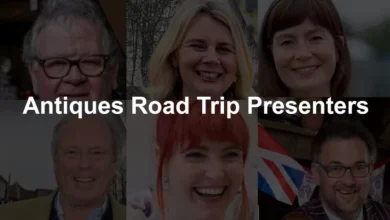
UK Antiques TV Programmes: Shows, Presenters & Experts
UK Antiques Programmes guide covering Antiques Roadshow, Bargain Hunt, presenters, valuation experts, auction formats, restoration specialists, and market impact.


UK Antiques Programmes are British television shows focused on antiques valuation, auctions, restoration, authentication, and dealer sourcing.
These programmes explain how antique value is determined and how the UK antiques market works. Most major UK Antiques Programmes are produced by the BBC, with additional formats broadcast on ITV and Channel 4.
The structure of UK Antiques Programmes is clear and educational. Experts assess historical period, material, craftsmanship, and provenance before estimating market value.
Some shows follow auction competitions where items are purchased within a budget and later sold publicly, revealing profit or loss. Other formats focus on restoration and heritage conservation rather than price.
Investigation-based programmes analyse authenticity using research and scientific methods. Dealer-led formats show sourcing, negotiation, and resale strategy.
UK Antiques Programmes combine expert authority, real auction outcomes, and cultural history, making them both informative and commercially relevant within the British antiques industry.
What Are UK Antiques Programmes?
UK Antiques Programmes are British television shows focused on valuation, auction, restoration, authentication, and sourcing of antiques and collectibles.
These programmes explain how objects gain value and how the UK antiques market operates in real conditions. They are mainly broadcast by the BBC, with additional formats shown on ITV and Channel 4.
UK Antiques Programmes are structured around public participation and expert authority. Members of the public present items for appraisal. Professional antique dealers, auctioneers, and restoration specialists assess authenticity, condition, age, material, and provenance.
Market value analysis is based on comparable sales and auction house data. Many programmes conclude with real auction performance, showing transparent profit or loss. Historical storytelling adds cultural context, explaining the social and economic background of each object.
UK Antiques Programmes combine expert appraisal, auction validation, and heritage preservation, creating an educational and commercially relevant format within the British antiques industry.
List of Major UK Antiques Programmes (Overview Table)
Below is a structured overview of major UK Antiques Programmes, including broadcast channel, first air date, format type, main presenter, and core experts. This table provides a clear comparison of format structure and professional authority.
| Show Name | Channel | First Aired | Format Type | Main Presenter | Core Experts |
|---|---|---|---|---|---|
| Antiques Roadshow | BBC | 1979 | Public Valuation | Fiona Bruce | Jewellery, ceramics, furniture & fine art specialists |
| Bargain Hunt | BBC | 2000 | Auction Competition | Natasha Raskin Sharp | Rotating antiques experts & auctioneers |
| Salvage Hunters | Quest / Discovery | 2011 | Dealer Sourcing | Drew Pritchard | Restoration specialists & valuation experts |
| The Repair Shop | BBC | 2017 | Restoration | Jay Blades | Furniture, clock, textile & ceramics conservators |
| Fake or Fortune? | BBC | 2011 | Authentication & Investigation | Fiona Bruce | Philip Mould & forensic art analysts |
| Dickinson’s Real Deal | ITV | 2006 | Dealer Offer vs Auction | David Dickinson | Independent antiques dealers |
| Flog It! | BBC | 2002 | Regional Valuation & Auction | Paul Martin | Regional antiques specialists |
| Antiques Road Trip | BBC | 2010 | Expert Competition & Auction | Rotating expert presenters | Antiques experts & auctioneers |
This overview table highlights the structural diversity of UK Antiques Programmes. Each programme follows a defined format model, supported by recognised presenters and qualified experts.
Antiques Roadshow (BBC)
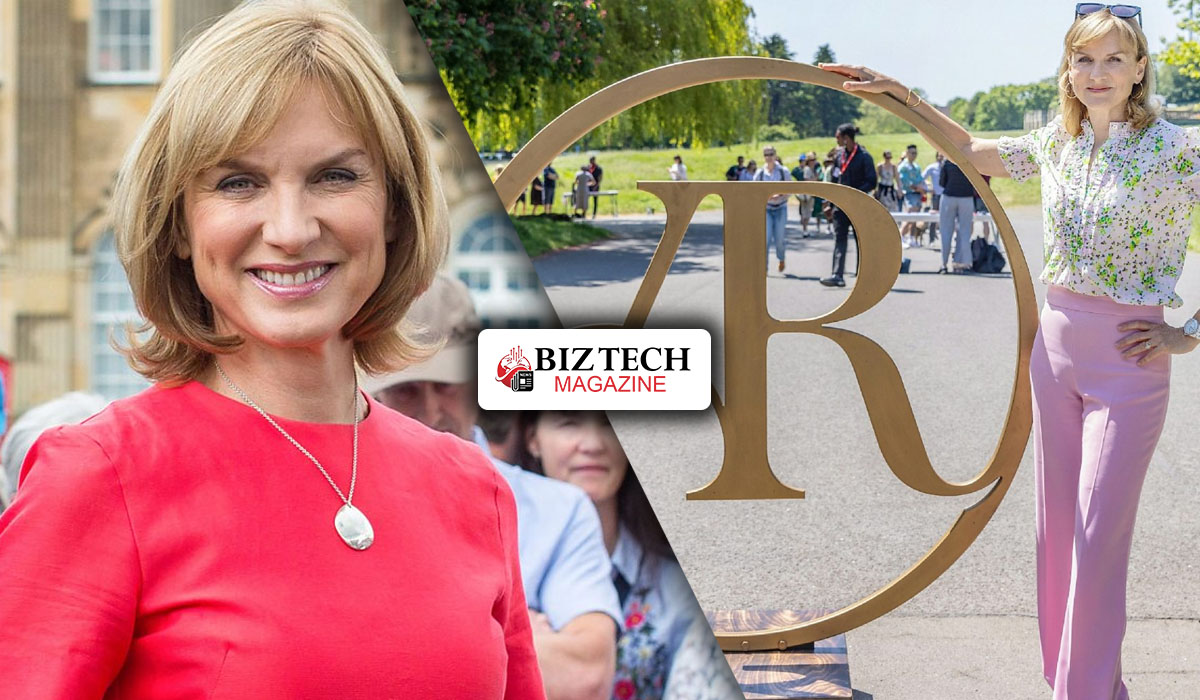
Antiques Roadshow is the longest-running UK Antiques Programme, first aired in 1979 on the BBC. The format is simple and structured. Members of the public bring antiques and collectibles to a selected UK venue.
Expert appraisers examine each object and provide a market valuation based on age, rarity, condition, provenance, and auction comparables. Filming usually takes place at historic British locations such as stately homes, museums, and heritage sites, which strengthens the cultural authority of the programme.
The current presenter is Fiona Bruce. Previous presenters include Michael Aspel and Hugh Scully. The presenter guides the narrative, introduces experts, and maintains programme structure.
Main Antiques Roadshow experts include recognised specialists such as Judith Miller (furniture and decorative arts), Geoffrey Munn (jewellery), and Lars Tharp (ceramics). Each expert provides field-specific valuation supported by historical knowledge and auction data.
The unique strength of Antiques Roadshow is transparent valuation combined with emotional storytelling. Some episodes feature record-breaking valuations. Others highlight strong family heritage stories linked to wartime memorabilia, fine art, or rare jewellery.
Bargain Hunt (BBC)
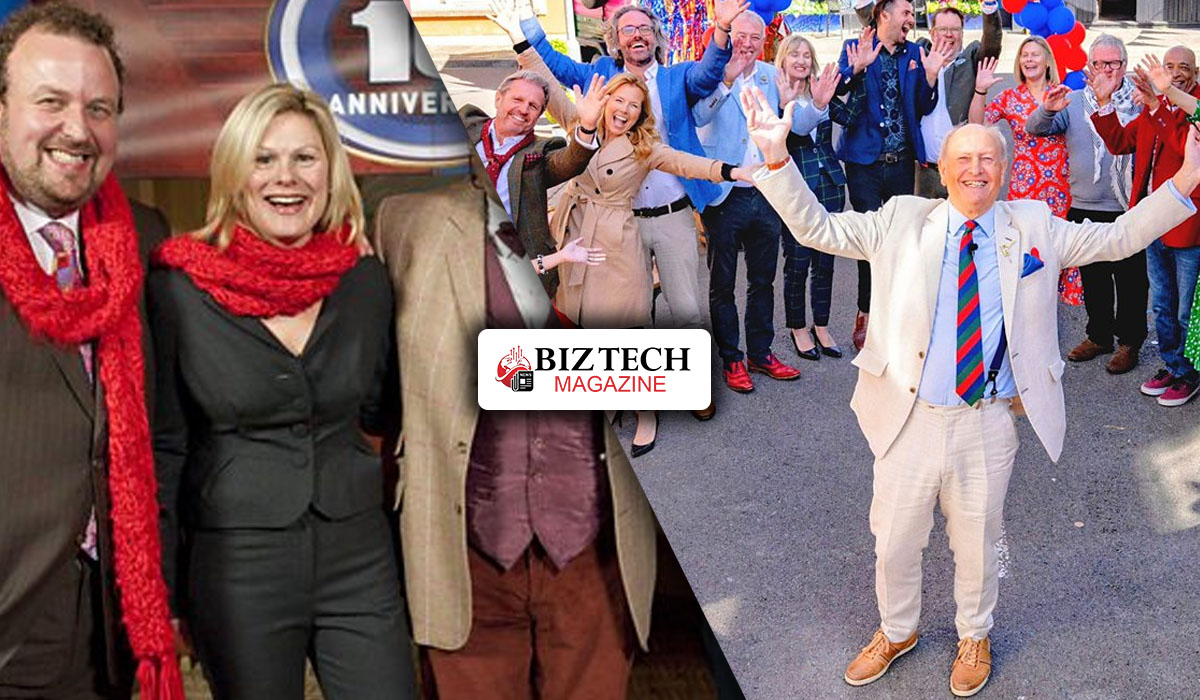
Bargain Hunt is a UK Antiques Programme that combines antiques buying with real auction resale.
It first aired in 2000 on the BBC. The format is competitive. Two teams purchase antiques within a fixed budget and then resell those items at auction. The final result shows a clear profit or loss.
The original presenter was David Dickinson, who established the show’s identity and dealer-focused tone. Current presenters include Natasha Raskin Sharp and Charlie Ross. Presenters guide the teams, explain rules, and provide auction context.
Each team is supported by an antiques expert. Recognised experts include Philip Serrell and Catherine Southon. Experts advise on pricing strategy, period identification, and resale potential. Professional auctioneers conduct the final sale, ensuring transparent market validation.
The auction mechanism is structured. Teams receive a fixed cash budget. They purchase three items at an antiques fair or centre. Items are later entered into a public auction. After auction fees are deducted, the programme calculates net profit or loss. The team with the highest profit wins.
Salvage Hunters (Quest / Discovery)
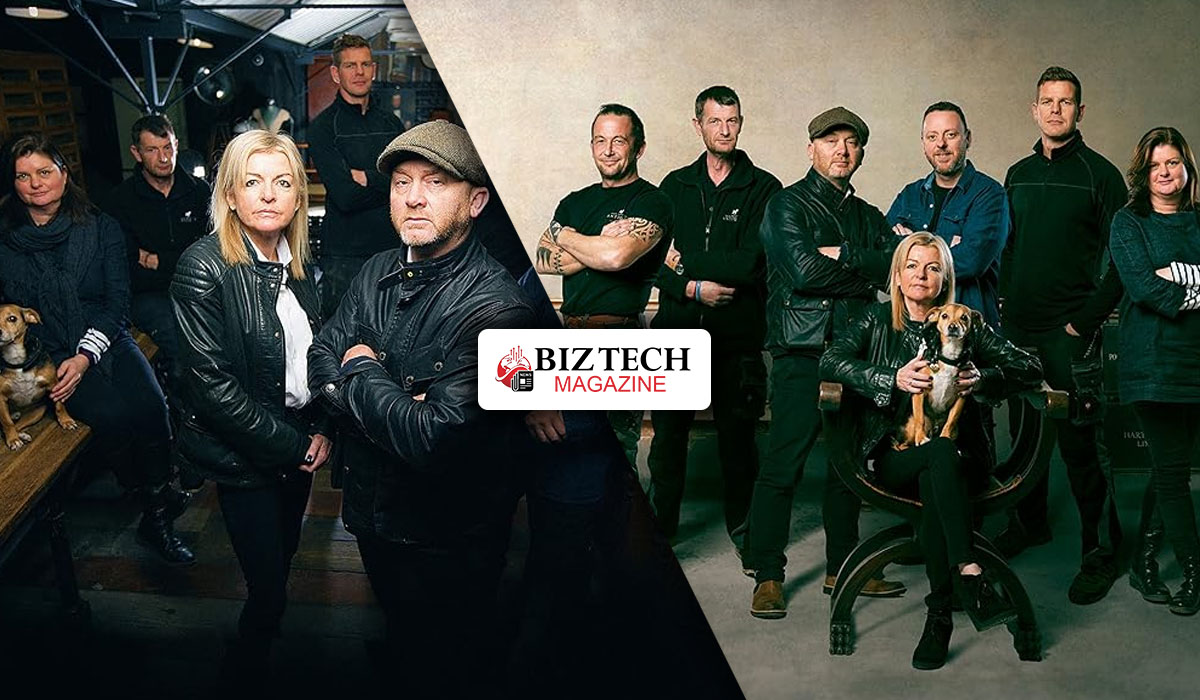
Salvage Hunters is a dealer-based UK Antiques Programme focused on sourcing undervalued antiques and architectural salvage.
It first aired in 2011 and is broadcast on Quest, part of the Discovery network. The format follows real trade operations within the British antiques market.
The main presenter is Drew Pritchard. He is a professional antique dealer with expertise in decorative salvage, vintage design, and period furniture.
In each episode, he travels across the United Kingdom visiting private collections, workshops, estates, and salvage yards. His goal is to identify items with resale potential based on condition, rarity, and current market demand.
Supporting experts include restoration specialists who repair structural damage, refinish surfaces, and stabilise antique materials. Valuation knowledge is based on Drew Pritchard’s market experience and trade forecasting rather than public appraisal panels.
The Repair Shop (BBC)
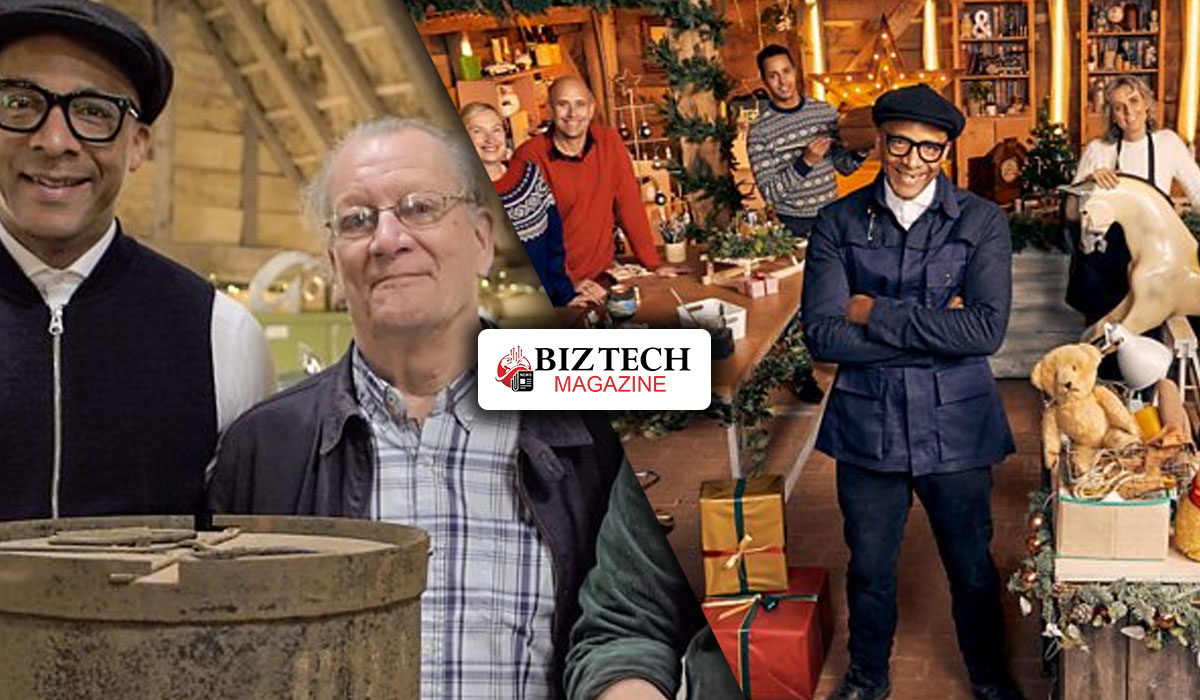
The Repair Shop is a restoration-focused UK Antiques Programme where sentimental value is prioritised over commercial value.
It first aired in 2017 on the BBC. The format centres on repairing damaged heirlooms brought by members of the public. The objective is preservation, not resale.
The programme is presented by Jay Blades. He guides each story, explains restoration challenges, and connects viewers with the emotional background of every object.
Core crafts experts include professional conservators and specialists such as Will Kirk (furniture restoration), Steve Fletcher (horology and clock repair), Suzy Fletcher (leather and upholstery), and Kirsten Ramsay (ceramics conservation). Each expert applies museum-level restoration standards.
The emotional value factor defines this programme. Heritage preservation and craftsmanship revival are central themes. The Repair Shop strengthens cultural continuity within UK Antiques Programmes by focusing on conservation ethics and traditional skills.
Fake or Fortune? (BBC)
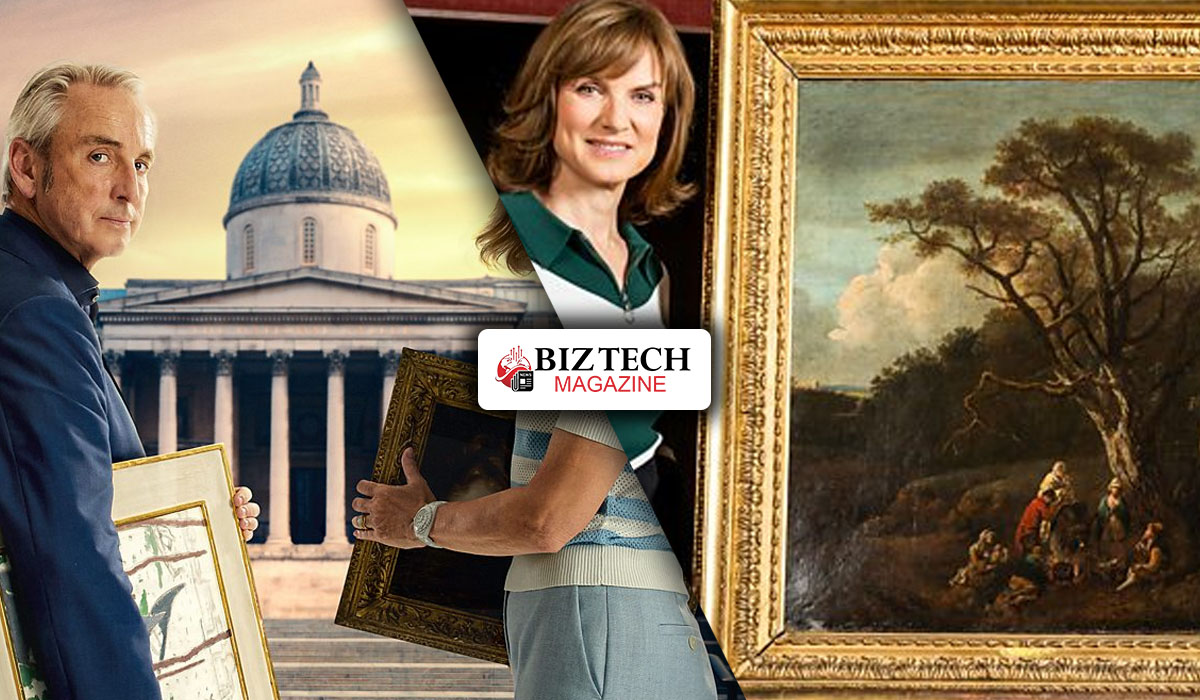
Fake or Fortune? is an investigative UK Antiques Programme focused on art authentication and attribution.
It first aired in 2011 on the BBC. The format examines whether artworks are genuine or misattributed.
The programme is presented by Fiona Bruce and Philip Mould. Fiona Bruce leads the narrative structure. Philip Mould provides specialist art market expertise and attribution analysis.
The expert panel includes art historians, forensic analysts, conservation scientists, and accredited testing laboratories. Each case follows a structured process: provenance research, archival verification, stylistic comparison, pigment and material testing, and expert peer review.
The process framework is systematic. Provenance research establishes ownership history. Scientific analysis tests canvas, paint layers, and signatures. Attribution confirmation requires expert consensus and market validation.
Fake or Fortune? explains how authenticity directly affects market value. Within UK Antiques Programmes, it represents the highest level of investigative authority and art market verification.
Dickinson’s Real Deal (ITV)
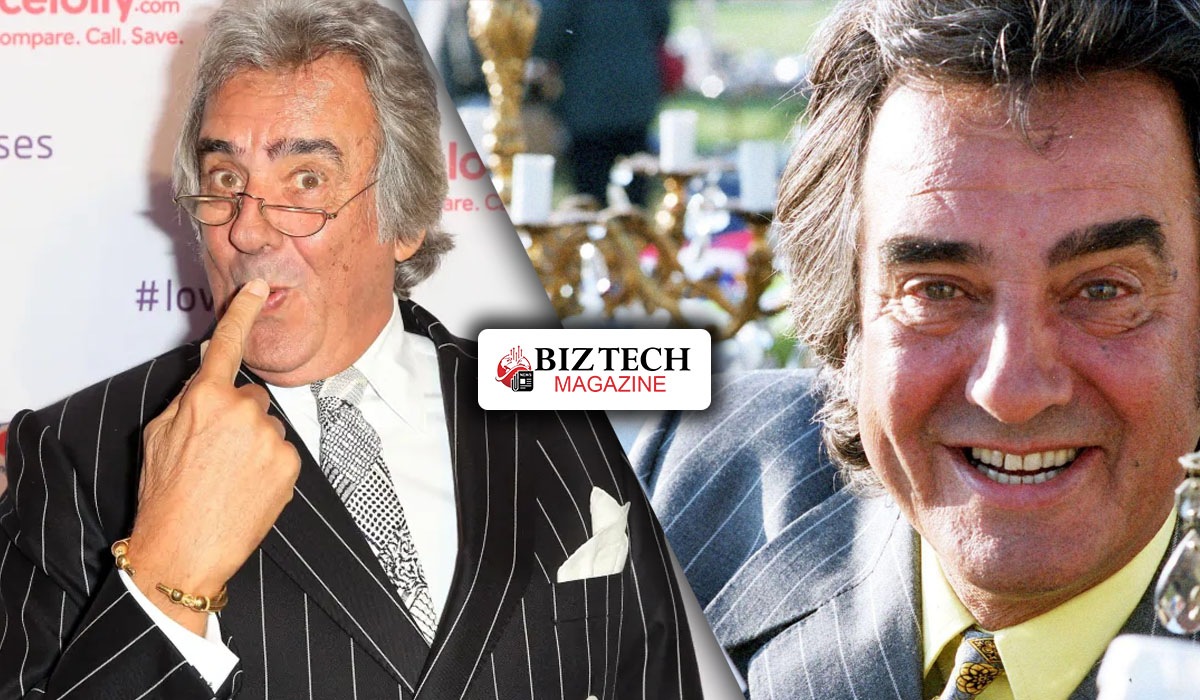
Dickinson’s Real Deal is a UK Antiques Programme based on dealer offers versus auction decisions.
It first aired in 2006 on ITV. The format allows members of the public to present antiques and collectibles to professional dealers who make immediate cash offers. The seller then decides whether to accept the offer or risk selling at auction.
The programme is presented by David Dickinson. He oversees negotiations, explains valuation logic, and clarifies auction risk versus guaranteed payment.
Dealer experts include independent antiques dealers and valuation specialists with expertise in jewellery, watches, militaria, ceramics, silver, and collectibles. Each dealer calculates resale potential, restoration cost, and profit margin before making an offer.
The unique selling model is clear: Immediate cash offer vs auction uncertainty. If the seller rejects the dealer offer, the item proceeds to auction.
After commission and fees, the final auction result determines whether the decision was financially beneficial. Dickinson’s Real Deal demonstrates practical risk assessment within UK Antiques Programmes.
Flog It! (BBC)
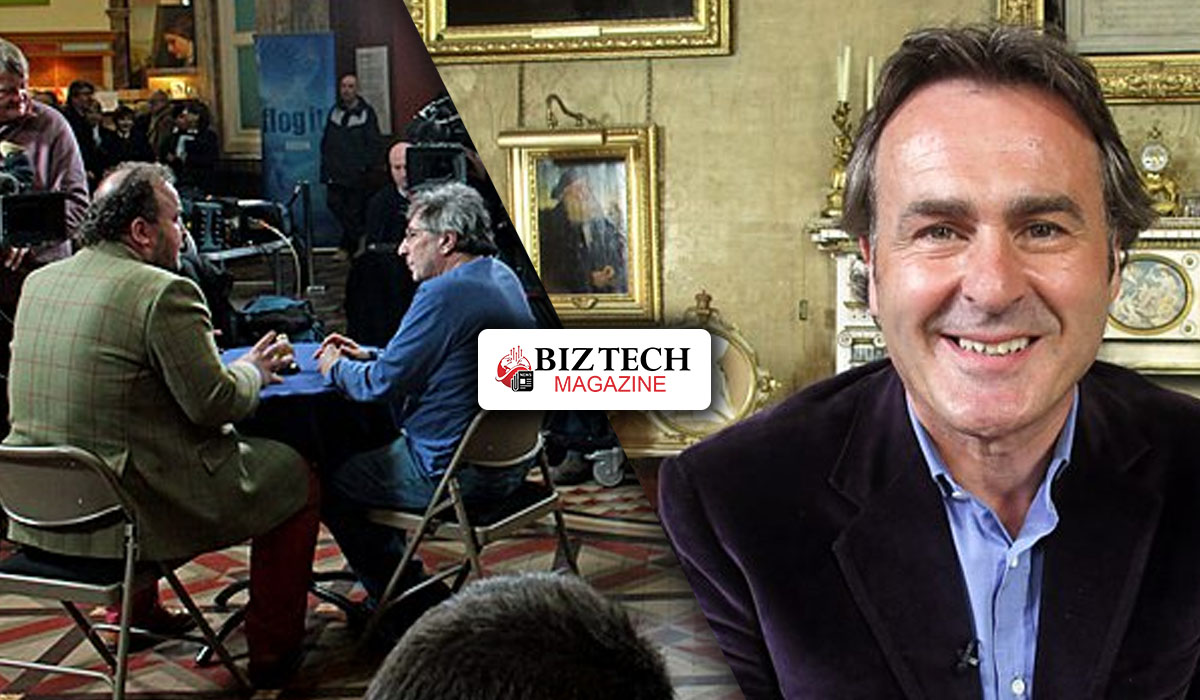
Flog It! was a regional valuation roadshow within UK Antiques Programmes, combining appraisal with auction resale.
It first aired in 2002 on the BBC and ran until 2020. The programme travelled to historic venues across the United Kingdom, where members of the public brought antiques for expert evaluation.
The show was presented by Paul Martin. He introduced valuation segments, explained object history, and guided the auction process.
Experts included regional antiques specialists covering fine art, furniture, ceramics, glass, silver, and collectibles. After valuation, selected items were entered into professional auction houses. Final hammer prices were shown on screen, providing transparent market validation.
Flog It! strengthened public understanding of auction procedures, commission structures, and realistic resale expectations. It played a significant role in educating audiences about regional antiques markets within UK Antiques Programmes.
Antiques Road Trip (BBC)
Antiques Road Trip is a competitive UK Antiques Programme where professional experts travel across the UK and compete for auction profit.
It first aired in 2010 on the BBC. The programme combines antiques expertise, regional travel, and real auction results.
The format features two recognised antiques experts per trip. These experts rotate across episodes and are already established within the British antiques trade. Regular experts have included Philip Serrell, Catherine Southon, Charles Hanson, and Anita Manning. Professional auctioneers conduct the final sale at established UK auction houses, ensuring transparent pricing.
The format structure is systematic. Each expert receives a fixed starting budget. They travel to different towns and antiques centres, purchasing items based on resale potential. Buying decisions are based on period identification, condition assessment, rarity, and current market demand.
After the road trip, all items are entered into auction. The final hammer prices determine total profit or loss. The expert with the highest net profit wins the competition.
Antiques Road Trip explains practical antiques trading, regional market variation, and auction performance within UK Antiques Programmes.
Most Influential Presenters in UK Antiques Programmes
The most influential presenters in UK Antiques Programmes combine media credibility with professional antiques expertise.
Their authority shapes public trust, market demand, and industry visibility.
Jay Blades

Professional Background: Furniture restorer and social enterprise founder specialising in heritage craftsmanship.
Years Active: Television presence since 2017 through The Repair Shop.
Impact on Antiques Market: Increased public awareness of restoration ethics and conservation standards. Promoted traditional craft skills and heritage preservation over resale value.
Fiona Bruce
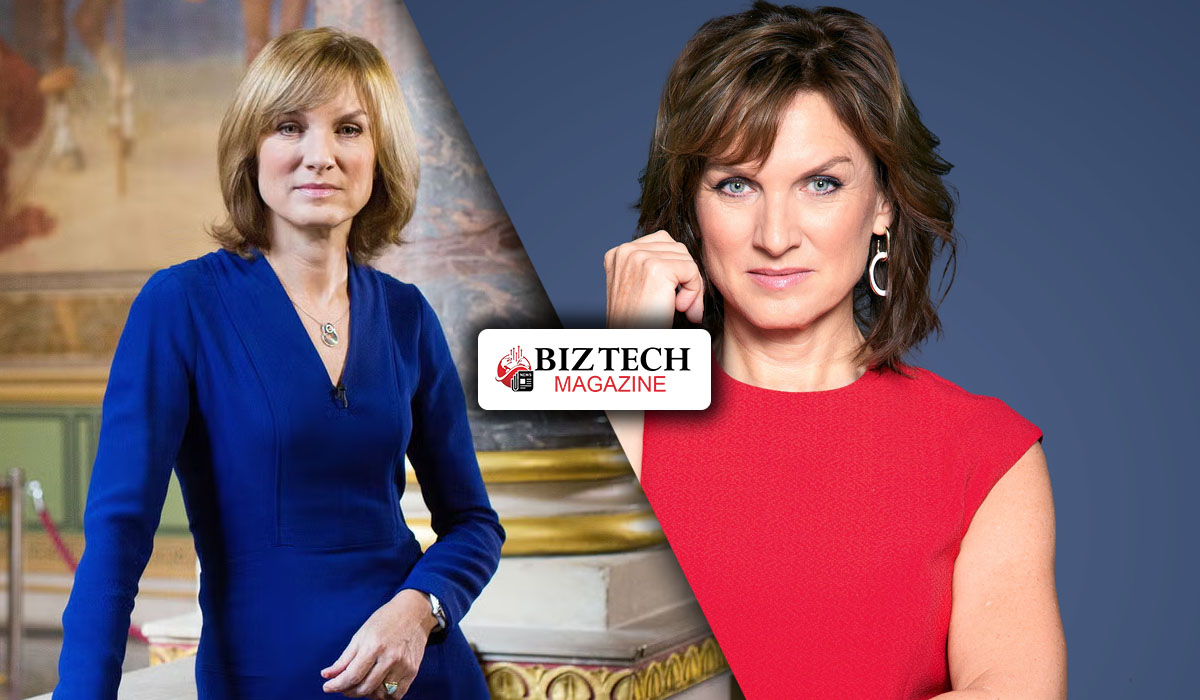
Professional Background: Broadcast journalist and news presenter with expertise in factual programming.
Years Active: Presenter of Antiques Roadshow since 2008; co-presenter of Fake or Fortune? since 2011.
Impact on Antiques Market: Strengthened credibility of valuation and authentication formats. Expanded audience trust in expert-led antiques investigation.
David Dickinson
Professional Background: Antique dealer and television personality with direct trade experience.
Years Active: Television antiques presenter since 2000.
Impact on Antiques Market: Popularised profit-driven antiques trading. Increased public interest in dealer negotiation and auction strategy.
Drew Pritchard
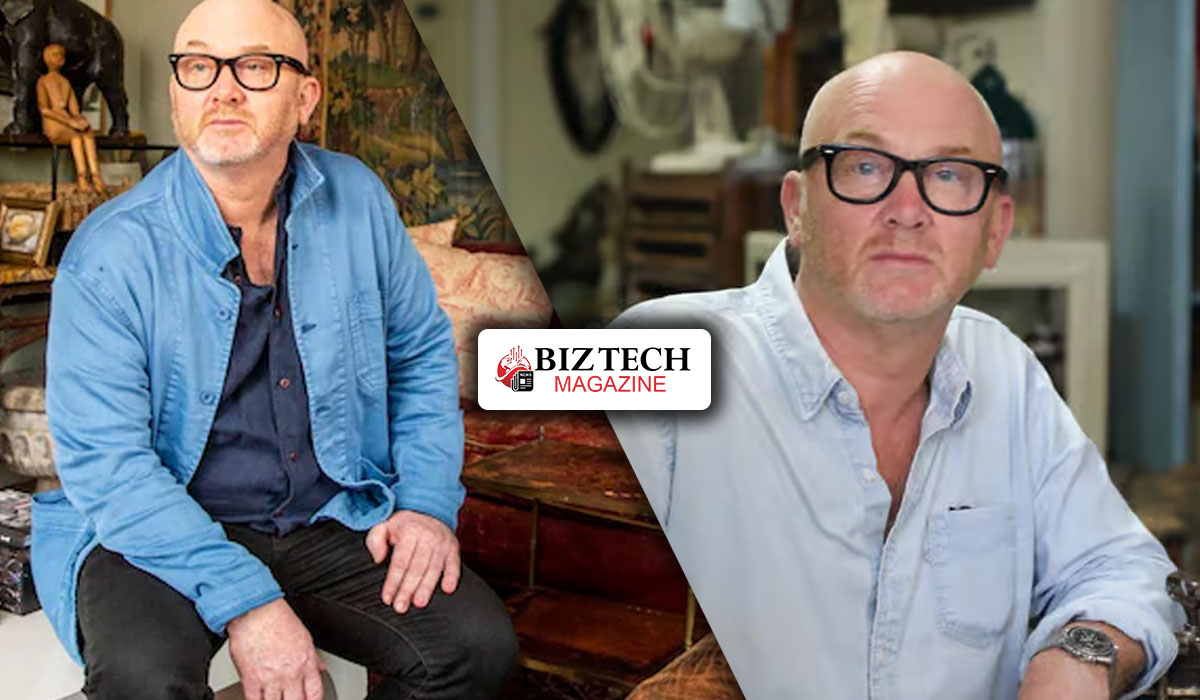
Professional Background: Architectural salvage dealer and decorative antiques specialist.
Years Active: Television presence since 2011 through Salvage Hunters.
Impact on Antiques Market: Elevated demand for industrial salvage and vintage design. Influenced commercial sourcing strategies within the UK trade.
Paul Martin

Professional Background: Antique dealer specialising in fine art and decorative objects.
Years Active: Presenter of Flog It! from 2002 to 2020.
Impact on Antiques Market: Educated regional audiences about auction valuation. Increased participation in UK auction houses.
These presenters strengthened the authority, transparency, and commercial awareness of UK Antiques Programmes.
Leading Experts Across UK Antiques Programmes
Leading experts in UK Antiques Programmes are verified professionals with recognised market authority and documented credentials.
Their expertise ensures valuation accuracy, authentication reliability, and restoration integrity. Below is a domain-based categorisation of experts across UK Antiques Programmes.
Auctioneers
Auctioneers validate final market value through public sale.
Recognised figures include Philip Serrell and Charles Hanson. These professionals operate established auction houses and conduct live auctions featured in BBC antiques formats.
- Expertise verification: Licensed auction practice, documented hammer results, industry accreditation.
- Market authority: Direct involvement in pricing through competitive bidding.
- Professional credentials: Years of auctioneering experience and membership in professional auction associations.
Art Historians
Art historians specialise in attribution, provenance, and stylistic analysis.
A leading authority is Philip Mould, known for investigative work in authentication-based programmes.
- Expertise verification: Archival research, provenance documentation, peer-reviewed attribution.
- Market authority: Influence on artwork valuation through authentication confirmation.
- Professional credentials: Established gallery ownership, published research, museum collaboration.
Jewellery Specialists
Jewellery experts assess gemstones, hallmarks, metal purity, and period design.
Notable experts include Geoffrey Munn.
- Expertise verification: Gemological testing, hallmark analysis, diamond grading standards.
- Market authority: Accurate gemstone valuation aligned with auction benchmarks.
- Professional credentials: Formal gemology training and long-term valuation experience.
Furniture Experts
Furniture specialists identify period construction, timber type, joinery method, and restoration history.
Examples include Judith Miller and Will Kirk.
- Expertise verification: Structural assessment, historical design comparison, material analysis.
- Market authority: Alignment with decorative arts market demand.
- Professional credentials: Published reference guides, restoration workshop practice.
Ceramics Experts
Ceramics specialists analyse porcelain, pottery marks, glaze composition, and manufacturing origin.
A recognised expert is Lars Tharp.
- Expertise verification: Maker’s marks authentication, kiln origin analysis, stylistic dating.
- Market authority: Pricing alignment with fine ceramics auction results.
- Professional credentials: Museum advisory roles and published ceramics scholarship.
Restoration Craftspeople
Restoration experts focus on conservation standards rather than resale value.
Key professionals include Kirsten Ramsay and Steve Fletcher.
- Expertise verification: Conservation ethics, material stabilisation techniques, museum-grade repair.
- Market authority: Preservation increases long-term value stability.
- Professional credentials: Formal conservation training and workshop-based restoration practice.
Leading experts across UK Antiques Programmes maintain valuation transparency, authentication accuracy, and heritage preservation standards. Their verified expertise supports the educational and commercial credibility of UK Antiques Programmes.
Why UK Antiques Programmes Are Popular
UK Antiques Programmes combine historical storytelling, expert valuation, and real auction outcomes. This combination makes them both educational and commercially relevant.
Educational value is central to UK Antiques Programmes. Viewers learn how age, rarity, condition, and provenance affect market price. Experts explain terminology in simple language. Auction results demonstrate how supply and demand determine final value.
Market transparency is another key factor. Many programmes show the full sales process, including auction fees and profit calculation. This transparency builds trust in valuation methods and professional expertise.
Cultural preservation is strongly represented, especially in restoration-focused formats. Traditional craftsmanship, conservation ethics, and British heritage are explained clearly. Objects are treated as historical records, not only commercial assets.
Emotional narratives increase viewer engagement. Family heirlooms, wartime memorabilia, and inherited artworks create personal connections. These stories strengthen public interest in the antiques industry.
UK Antiques Programmes remain popular because they combine education, transparency, heritage, and human storytelling within a structured television format.
How UK Antiques Programmes Influence the Antiques Market
UK Antiques Programmes influence demand, pricing awareness, and auction house visibility within the British antiques industry.
Demand spikes often occur after high-profile episodes. When rare objects achieve strong auction prices on television, similar items may experience increased buyer interest.
Valuation awareness improves among the general public. Viewers gain practical knowledge about identifying genuine antiques and understanding fair market pricing. This reduces unrealistic price expectations.
Regional antique fairs benefit from media exposure. Programmes filmed in historic towns often increase visitor traffic to local antiques centres and markets.
Auction houses receive direct exposure. Televised hammer prices promote transparency and attract new sellers. Public trust in established auction houses increases due to visible professional standards.
UK Antiques Programmes function as indirect market drivers by educating audiences and increasing transactional confidence.
Frequently Asked Questions (FAQ)
Who presents Antiques Roadshow?
Antiques Roadshow is currently presented by Fiona Bruce.
Which UK antiques programme focuses on restoration?
The Repair Shop focuses on restoration and heritage preservation.
Is Bargain Hunt real auction profit?
Yes. Bargain Hunt uses real auctions. Final profit or loss is calculated after deducting auction fees.
Who are the experts on Fake or Fortune?
Fake or Fortune? features Philip Mould along with forensic analysts and art historians.
What is the oldest UK antiques programme?
Antiques Roadshow, first broadcast in 1979, is the oldest long-running UK Antiques Programme.