
Tapeley Park Gardens History: A Sustainable Estate in North Devon
Explore Tapeley Park Gardens history, from its Queen Anne house to Victorian terraces and one of the UK’s oldest permaculture gardens.

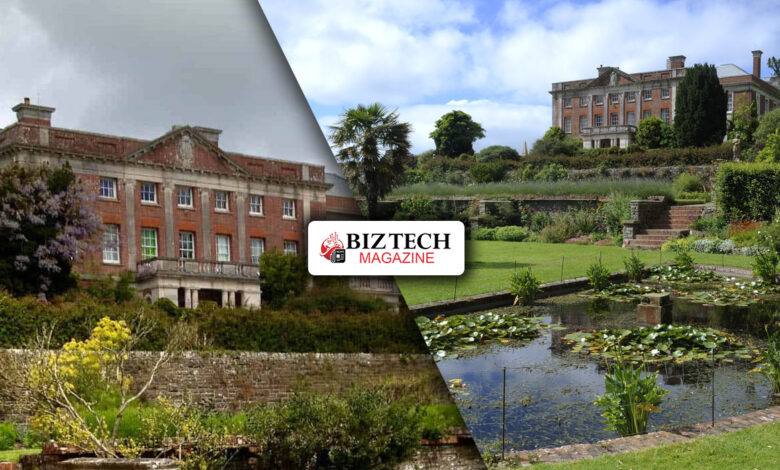
apeley Park Gardens history is deeply rooted in the landscape of North Devon, blending centuries of heritage with an enduring commitment to land stewardship and sustainability. Perched high above the River Torridge near the village of Instow, Tapeley Park is a historic garden estate that reflects the evolution of English country living from medieval origins to modern environmental innovation. Known today for its Italian terraces, sweeping coastal views and one of the oldest permaculture gardens in the UK, Tapeley offers visitors a rare opportunity to experience history as a living, working landscape. From its early mentions in historical records to its present role as a publicly accessible garden estate, Tapeley Park Gardens tell a story shaped by vision, continuity and respect for nature.
Tapeley Park Gardens – Quick Facts
| Attribute | Details |
| Name | Tapeley Park Gardens |
| Location | Near Instow, parish of Westleigh, North Devon, England |
| Estate Origins | Mentioned in the Domesday Book |
| Manor House Built | 1704 |
| Architectural Style | Queen Anne |
| Original Family | Cleveland family |
| Current Owning Family | Christie family (over 200 years) |
| Key Historical Figure | Lady Rosamund Christie (Victorian transformation) |
| Current Custodian | Hector Christie |
| Notable Garden Feature | Italianate terraces (19th century) |
| Permaculture Garden | Established in 1990 |
| Permaculture Significance | One of the oldest permaculture gardens in the UK |
| Inspirational Figure | Robert Hart (permaculture pioneer) |
| Landscape Features | Italian terraces, walled kitchen garden, lake, woodland |
| Views | River Torridge, Lundy Island, Saunton Sands |
| Public Access | Open to visitors (seasonal) |
| Special Focus | Sustainability, regenerative farming, biodiversity |
Origins of Tapeley Park Gardens
The origins of Tapeley Park Gardens stretch back over a thousand years. The site is referenced in the Domesday Book, confirming its importance as a settled and productive area long before the current house and gardens were created. Its elevated position above the River Torridge made it both strategically valuable and agriculturally viable, offering fertile land, natural drainage and commanding views across the estuary.
In its earliest form, Tapeley functioned primarily as farmland, supporting local livelihoods and estate-based agriculture. These early land-use patterns laid the foundation for the structured gardens and managed landscapes that would develop centuries later. The relationship between cultivated land and natural surroundings has remained a defining feature throughout Tapeley Park Gardens history.
The Queen Anne Manor and Early Estate Development
The modern identity of Tapeley Park began in the early 18th century with the construction of the Queen Anne manor house in 1704. The house was commissioned by William Cleveland, who is said to have been drawn to the site after spotting a farmhouse on the hillside while sailing up the Torridge estuary.
Replacing the original farmhouse, the new manor reflected the architectural tastes of the Queen Anne period, combining elegance with practicality. Built of brick and stone, the house became the focal point of the estate, around which gardens, farmland and ancillary buildings were gradually organised. This phase marked Tapeley’s transition from a functional agricultural holding into a formal country estate.
The Cleveland Family Legacy
The Cleveland family occupied Tapeley Park for several generations, shaping both the estate and its local significance. Their stewardship reinforced the estate’s status within Devon and contributed to its layered historical identity.
One of the most notable family members was Archibald Cleveland, who served as an officer in the 17th Lancers and survived the Charge of the Light Brigade during the Crimean War. A monument erected in his honour in 1856 stood near the house as a symbol of personal and national history, though it was later destroyed by lightning in 1933.
Under the Clevelands, Tapeley remained a private estate, but the foundations were laid for the ornamental gardens and landscape features that would emerge more fully in the Victorian era.
Victorian Transformation Under Lady Rosamund
A defining chapter in Tapeley Park Gardens history began in the late 19th century under the influence of Lady Rosamund Christie. During the Victorian period, the estate underwent a significant transformation that reshaped both the house and its surrounding landscape. Lady Rosamund brought a strong aesthetic vision to Tapeley, blending classical design principles with the romantic sensibilities of the era.
Her work introduced a more formal relationship between the house and the gardens, elevating Tapeley from a traditional country estate into a carefully composed garden landscape. This period marked the beginning of Tapeley’s identity as a place of beauty as well as productivity, setting standards that continue to influence the estate today.
Italian Terraces and Formal Garden Design
One of the most distinctive features created during the Victorian era is the Italianate terrace system. Designed to take full advantage of Tapeley’s elevated position, the terraces step down the hillside in a series of structured levels, offering panoramic views across the River Torridge, the North Devon coastline and, on clear days, Lundy Island.
These terraces were planted with tender and often unusual species, many of which were rarely seen in Britain at the time. Statues, obelisks, steps and carefully clipped hedges were introduced to guide visitors through a sequence of garden “rooms”. Green tunnels, hidden benches and small follies added an element of discovery, encouraging slow exploration rather than direct movement through the space.
The Italian terraces represent a balance between control and openness, combining formal structure with expansive natural views—an approach that remains central to Tapeley Park Gardens history.
The Gardens as a Victorian Landscape Experience
Beyond the terraces, the wider gardens developed into a layered Victorian landscape. Woodland walks, ornamental planting and carefully positioned viewpoints were designed to create moments of contrast and surprise. This approach reflected the Victorian fascination with both order and natural drama.
A walled kitchen garden, established during this period, became an integral part of the estate. Old fruit trees, productive beds and later a long greenhouse constructed in the 1930s ensured a reliable supply of fresh produce. Unlike purely ornamental estates, Tapeley maintained a strong connection between beauty and utility, a theme that continues into the modern era.
The Christie Family and Long-Term Stewardship
The enduring character of Tapeley Park Gardens is closely tied to the Christie family, who have owned and cared for the estate for over two centuries. Their stewardship has ensured that Tapeley evolved carefully rather than being radically altered, allowing each generation to leave its mark while respecting the past.
The estate itself is mentioned as far back as the Domesday Book, confirming its long-standing importance in Devon’s landscape. However, it was during the Christie family’s tenure that Tapeley developed its distinctive blend of heritage, innovation and environmental responsibility.
Today, Hector Christie, the current custodian, continues this tradition with a strong emphasis on sustainability, education and public access. Under his guidance, Tapeley has become not only a historic garden but also a living example of environmentally conscious land management.
The Birth of the Permaculture Garden (1990)
A pivotal moment in Tapeley Park Gardens history came in 1990, when Hector Christie established what is now recognised as one of the oldest permaculture gardens in the UK. Inspired by the pioneering work of horticulturalist Robert Hart, the garden was designed around the principle of working with nature rather than against it.
The permaculture garden uses companion planting, layered vegetation and perennial crops to create a self-sustaining ecosystem. Trees, shrubs and ground-cover plants work together to produce food, fuel, medicine and materials for clothing, all without chemical fertilisers, pesticides or herbicides.
This “managed wildness” stands in deliberate contrast to the formal Italian terraces, yet both reflect Tapeley’s philosophy of thoughtful design shaped by time and place.
Biodiversity and Living Landscapes
Visitors to the permaculture garden often remark on the abundance of wildlife. Bees, insects and birds thrive among the winding paths and dense planting, creating a constant hum of life throughout the growing season.
The garden features a remarkable range of edible and useful plants, including Chilean guava berries, sea buckthorn, Nashi pears, Siberian kiwi fruit and Szechuan pepper. During the summer months, guided tours allow visitors to learn about and even taste some of the produce, reinforcing the garden’s educational role.
A QR code trail throughout the gardens explains the edible and medicinal uses of many plants, helping visitors connect historical horticultural knowledge with modern sustainability practices.
The Queen Anne House and Architectural Heritage
At the heart of Tapeley Park Gardens stands the elegant Queen Anne manor, built in 1704 by the Cleveland family. According to family legend, William Cleveland first spotted the site while sailing up the River Torridge in 1702 and declared it the perfect place for his home. The original farmhouse was soon replaced by the refined brick and stone house that remains today.
The house reflects the restrained symmetry and proportion typical of Queen Anne architecture. Over time, it has been sensitively adapted rather than dramatically altered, preserving its historic character while remaining a lived-in family home.
One notable figure in the estate’s history is Archibald Cleveland, a survivor of the Charge of the Light Brigade during the Crimean War. A monument erected in his honour in 1856 once stood near the house, although it was destroyed by lightning in 1933. Even so, his legacy remains part of Tapeley’s layered historical narrative.
Lakes, Woodland and the Wider Estate
Beyond the formal gardens, Tapeley Park unfolds into a varied natural landscape of lakes, ponds, woodland and open fields. The Victorian-era lake, renovated in 2015, adds a sense of calm and grandeur, while woodland walks lead visitors through mature trees and secluded corners rich in wildlife.
The wider estate also supports regenerative farming, including grazing land for Tapeley’s Highland cattle, which contribute to both biodiversity and sustainable land use. These working landscapes sit comfortably alongside ornamental gardens, reinforcing the estate’s balance between beauty and function.
From elevated viewpoints such as the labyrinth and monument area, visitors can enjoy sweeping views across the River Torridge, the North Devon coastline and, on clear days, Lundy Island and Saunton Sands.
Tapeley Park Gardens in the Modern Day
Today, Tapeley Park Gardens are a rare example of a historic estate that has embraced modern environmental thinking without losing its identity. Public access has been carefully integrated, allowing visitors to explore the gardens while protecting their long-term health.
Information panels and QR code trails provide historical context, while the refurbished café, The Orangery, serves food made using organic produce grown on-site. The gardens are dog-friendly, picnic-friendly and designed to encourage slow, mindful exploration rather than rushed tourism.
Featured on television programmes such as Country House Rescue, Tapeley’s journey towards sustainability and financial resilience has become part of its modern story.
Conclusion
The history of Tapeley Park Gardens is one of continuity, care and quiet innovation. From its Domesday Book origins and Queen Anne architecture to Victorian landscaping and pioneering permaculture, Tapeley reflects centuries of thoughtful stewardship. Rather than existing as a static relic, the gardens continue to evolve—honouring the past while offering a hopeful, sustainable model for the future.
FAQs – Tapeley Park Gardens History
- When was Tapeley Park built?
The main house was built in 1704 during the Queen Anne period. - Who owns Tapeley Park Gardens today?
The estate is owned by the Christie family, with Hector Christie as the current custodian. - Why are Tapeley Park Gardens historically important?
They combine centuries-old architecture, Victorian garden design and one of the UK’s earliest permaculture gardens. - What makes the permaculture garden special?
Established in 1990, it is one of the oldest in the UK and follows chemical-free, nature-led principles. - Are the gardens open to the public?
Yes, Tapeley Park Gardens are open to visitors on selected days, with seasonal opening times.
6. Can visitors see wildlife at Tapeley Park?
Yes, the gardens are rich in biodiversity, including bees, birds and native insects.
Read More Articles at Biztechmagazine