
Jeddah stands as the entertainment heart of Saudi Arabia, where culture and modernity merge along the Red Sea coast. The city reflects the nation’s dynamic spirit, aligning with Vision 2030 reforms that revived leisure, creativity, and tourism. Among the shining symbols of this cultural evolution are the cinemas in Jeddah, offering a blend of world-class technology, comfort, and local artistry. The reopening of cinemas has transformed weekends into family events and trip to Jeddah experiences into lively escapes.
Surrounded by elegant malls, gourmet restaurants, and the scenic Jeddah Corniche, moviegoers enjoy more than just films—they experience a lifestyle. Supported by the Saudi Tourism Authority, these entertainment spaces embody the country’s commitment to global culture. Whether a visitor exploring Saudi entertainment or a resident seeking weekend fun, Jeddah’s cinemas reflect the city’s bright, youthful energy. It’s a vibrant stop for those eager to visit Saudi and see its modern charm unfold.
Evolution of Cinemas in Saudi Arabia
Before 1980, cinemas in Saudi Arabia were popular social spaces, reflecting the region’s growing love for storytelling and art. However, cultural shifts led to their closure for nearly three decades. In 2018, the ban was lifted, marking a historic revival supported by the Saudi Tourism Authority. Jeddah, as a vibrant coastal city, quickly embraced this change, opening luxurious theaters equipped with cutting-edge technology. This revival aligns with Saudi Vision 2030, which seeks to diversify the economy and enrich cultural life. Modern cinemas now play a vital role in shaping Saudi entertainment, promoting tourism, and encouraging local creative talent to thrive within the evolving landscape of national leisure and lifestyle experiences.
Best Cinemas in Jeddah
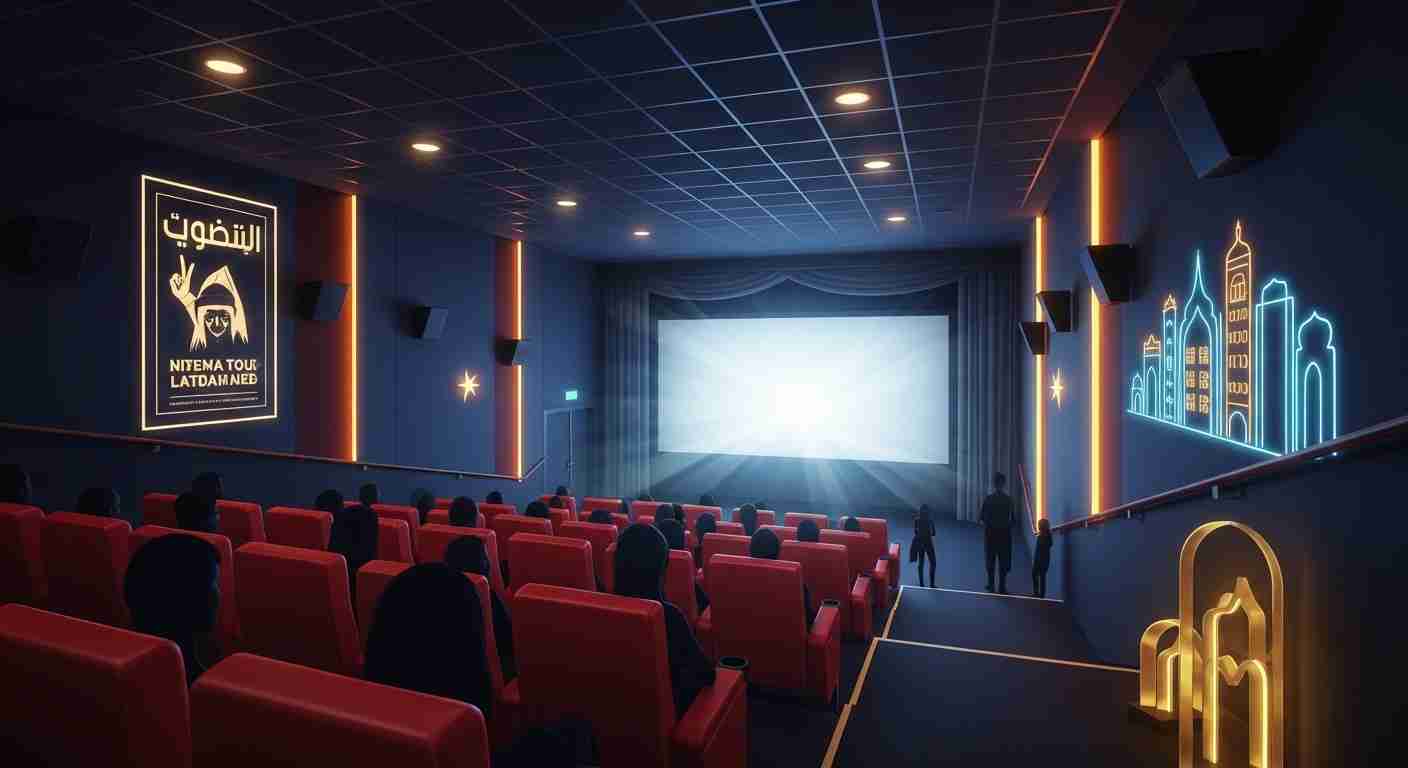
Cinemas in Jeddah beautifully reflect the city’s cultural revival and modern lifestyle. From luxury screens at VOX Cinemas in Red Sea Mall to the locally-inspired Muvi Cinemas in Mall of Arabia, each venue offers a unique moviegoing experience. Theaters like AMC, Cinepolis, and Empire Cinemas blend comfort, innovation, and social energy. Visitors can pair film nights with dining or shopping, exploring nearby restaurants and malls in Jeddah. These cinemas symbolize the Kingdom’s creative progress under Saudi Vision 2030, turning Jeddah into a hub of entertainment, leisure, and modern Saudi culture.
VOX Cinemas – Red Sea Mall
VOX Cinemas KSA at Red Sea Mall defines luxury moviegoing in Jeddah. It features IMAX screens, recliner seating, and immersive sound systems. Located within one of the top malls in Jeddah, it allows visitors to pair their movie night with fine dining or a shopping spree. Families often enjoy nearby restaurants overlooking the Jeddah Corniche, adding scenic relaxation to their evening. With premium lounges and family-friendly halls, VOX offers both comfort and elegance. It’s a perfect stop for tourists who love leisure, entertainment, and exploring Jeddah’s vibrant mall culture.
AMC Cinemas – Stars Avenue Mall
AMC Cinemas at Stars Avenue Mall combines elegance with cutting-edge entertainment. Known for its plush seating, standard screens, and relaxing atmosphere, it attracts both locals and tourists. Visitors planning a trip to Jeddah often include this stop in their itinerary, especially for its proximity to the Jeddah Corniche and boutique cafes. The cinema’s modern design complements the mall’s artistic vibe, creating a perfect destination for couples, families, and groups. Its high-end interiors and smooth service elevate the overall movie experience, making it a highlight of Jeddah’s nightlife and cultural revival.
Muvi Cinemas – Mall of Arabia
Muvi Cinemas, located inside Mall of Arabia, is Saudi Arabia’s first homegrown cinema brand. It perfectly reflects the country’s creative evolution under Saudi Vision 2030. Visitors can watch international and Arabic films in a dynamic, youth-friendly environment. The location is ideal for those who wish to explore restaurants in Jeddah, indulge in shopping, or relax in air-conditioned comfort. The cinema’s advanced screens and Dolby technology enhance the viewing experience. Muvi’s success highlights Jeddah’s growing entertainment industry and showcases how the port city continues to blend culture, leisure, and innovation.
Cinepolis Cinemas – Al Salaam Mall
At Cinepolis Cinemas in Al Salaam Mall, youthful energy meets modern entertainment. The venue offers stylish interiors, comfortable seating, and advanced projection technology. It’s a popular hangout for students, young professionals, and tourists exploring Jeddah’s urban lifestyle. Surrounded by trendy dining options, visitors can enjoy a meal before or after their film. The cinema’s design emphasizes social comfort and accessibility, making it perfect for group visits. Its focus on global films and local experiences strengthens Jeddah’s reputation as a rising entertainment capital in the Kingdom of Saudi Arabia.
Empire Cinemas – Al Andalus Mall
Empire Cinemas at Al Andalus Mall delivers a cinematic experience filled with energy and innovation. Featuring Dolby Atmos sound, private lounges, and family halls, it appeals to diverse audiences. The colorful interiors create an inviting atmosphere that enhances every screening. Moviegoers can easily explore nearby shopping centers or dine at popular restaurants within the mall. Empire’s inclusion of local film screenings also promotes Saudi creativity. As one of Jeddah’s most dynamic venues, it captures the city’s lively spirit and modern leisure culture, making it a must-visit attraction for every film lover.
Cinemas and the Cultural Shift in Jeddah
Cinemas in Jeddah symbolize a major cultural shift in Saudi Arabia’s entertainment landscape. Weekend movie nights have become a favorite pastime for locals and tourists alike. These modern theaters offer more than films—they represent social connection, creativity, and progress. Events like Jeddah Season, Riyadh Season, and the Red Sea Film Festival further strengthen this cultural revival. Families now gather in theaters that once seemed unimaginable decades ago, embracing a modern Saudi identity.
Through these experiences, Jeddah bridges tradition and innovation, transforming its cinemas into welcoming spaces of relaxation, art, and cultural dialogue within the vibrant spirit of the Kingdom of Saudi Arabia.
Red Sea International Film Festival
The Red Sea International Film Festival takes place annually in Historic Al-Balad, Jeddah’s UNESCO-listed old city. It celebrates global cinema while spotlighting emerging Saudi filmmakers and regional talent. The festival brings together international directors, actors, and audiences, creating a vibrant atmosphere of art and creativity. Supported by the Saudi Tourism Authority, it strengthens the city’s cultural tourism and creative identity. Visitors attending during wintertime, considered the best time to visit Jeddah, can also explore nearby attractions, restaurants, and malls. The festival’s impact extends beyond film—it symbolizes Jeddah’s evolution into a cultural hub, aligning perfectly with Saudi Vision 2030 and the city’s growing entertainment and tourism scene.
Lifestyle in Jeddah
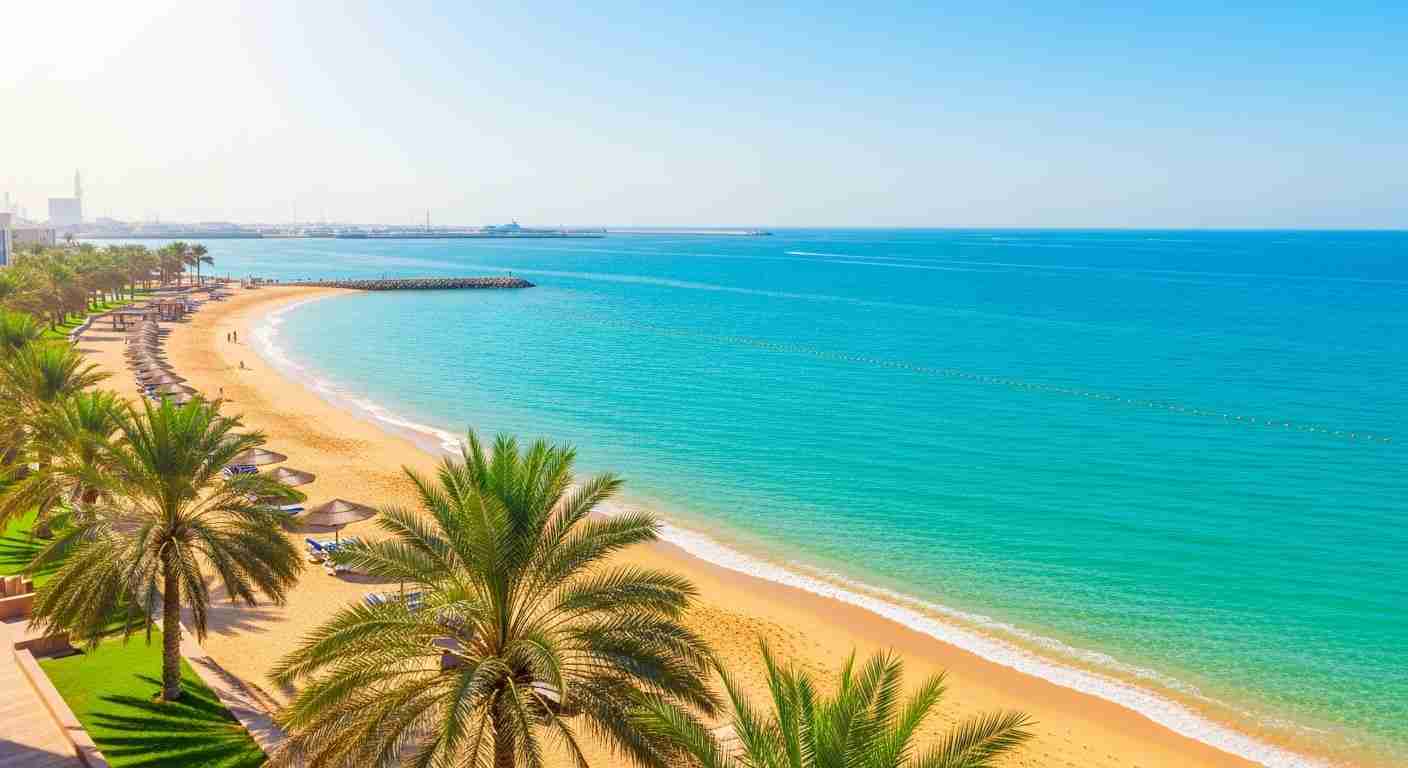
Cinemas in Jeddah embody the city’s vibrant leisure lifestyle, merging entertainment, shopping, and dining into one seamless experience. Most theaters are located within major malls in Jeddah, like Red Sea Mall and Mall of Arabia, offering visitors countless options before or after their movie. Many enjoy relaxing at seaside restaurants along the Jeddah Corniche, turning an ordinary evening into a full outing. Beyond its theaters and shopping malls, Jeddah’s coastal charm truly comes alive through its exciting water activities. Visitors can enjoy snorkeling, jet skiing, diving, or boat rides along the Red Sea before heading to a movie night. For effortless mobility, Alfalah Journey private taxis offer comfortable transfers between malls, hotels, and city attractions, ensuring a smooth travel experience. To make the most of your trip, book tickets online, visit during weekdays, and enjoy late-night shows when the city cools and Jeddah’s lights reflect beautifully over the Red Sea.
Practical Travel & Cinema Guide
For movie lovers planning a trip to Jeddah, several cinema apps and websites make booking simple and quick. Platforms like VOX Cinemas, AMC Cinemas KSA, Muvi Cinemas, and Cinepolis KSA offer online ticketing, seat selection, and exclusive offers. Many locals use the Muvi app or VOX app to check showtimes, loyalty points, and promotions.
Visitors staying in hotels in Jeddah near Red Sea Mall or Jeddah Corniche find these apps especially convenient. Always book early, especially on weekends or during Jeddah Season. For hassle-free transfers between cinemas, malls, and restaurants, Alfalah Journey private taxis provide safe, air-conditioned rides across the city. With easy booking, smooth transport, and modern amenities, watching a movie in Jeddah becomes a complete lifestyle experience.
Conclusion
Jeddah has emerged as Saudi Arabia’s cinema capital, blending entertainment with its vibrant coastal lifestyle. The city’s theaters, from VOX Cinemas to Muvi, reflect cultural pride and modernization under Saudi Vision 2030. Movie nights here perfectly complement the malls, restaurants, beaches in Jeddah, forming part of a rich leisure experience.
Visitors can extend their outing by exploring the Top Places to Visit in Jeddah, such as Al-Balad, King Fahd Fountain, and the scenic Jeddah Corniche. The revival of film culture connects heritage with global creativity, turning Jeddah into a hub of art and entertainment. From the sea breeze to the glow of the big screen, Jeddah shines as Saudi Arabia’s cinematic jewel.